

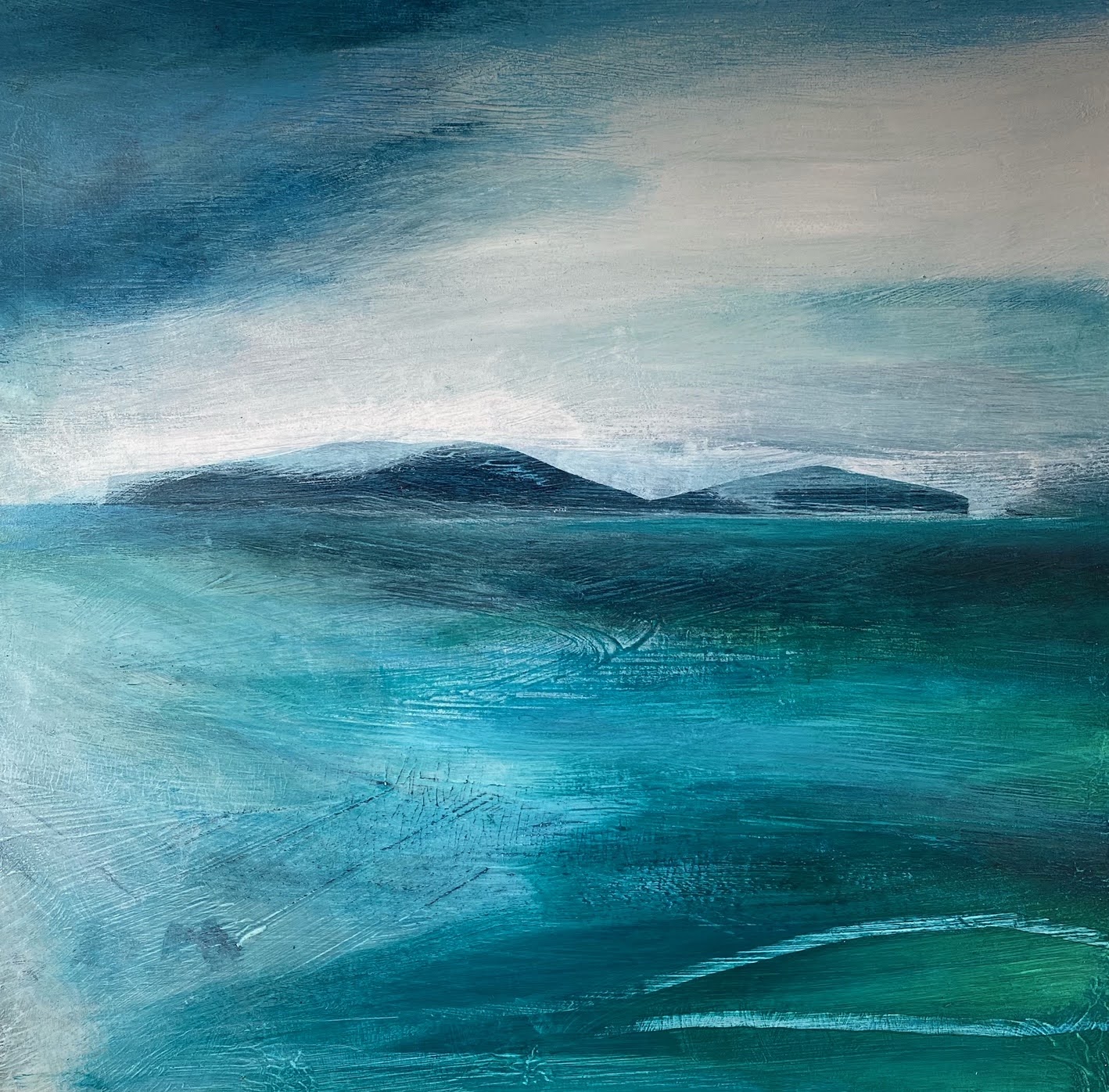
Carry His Relics – Gemma McGregor
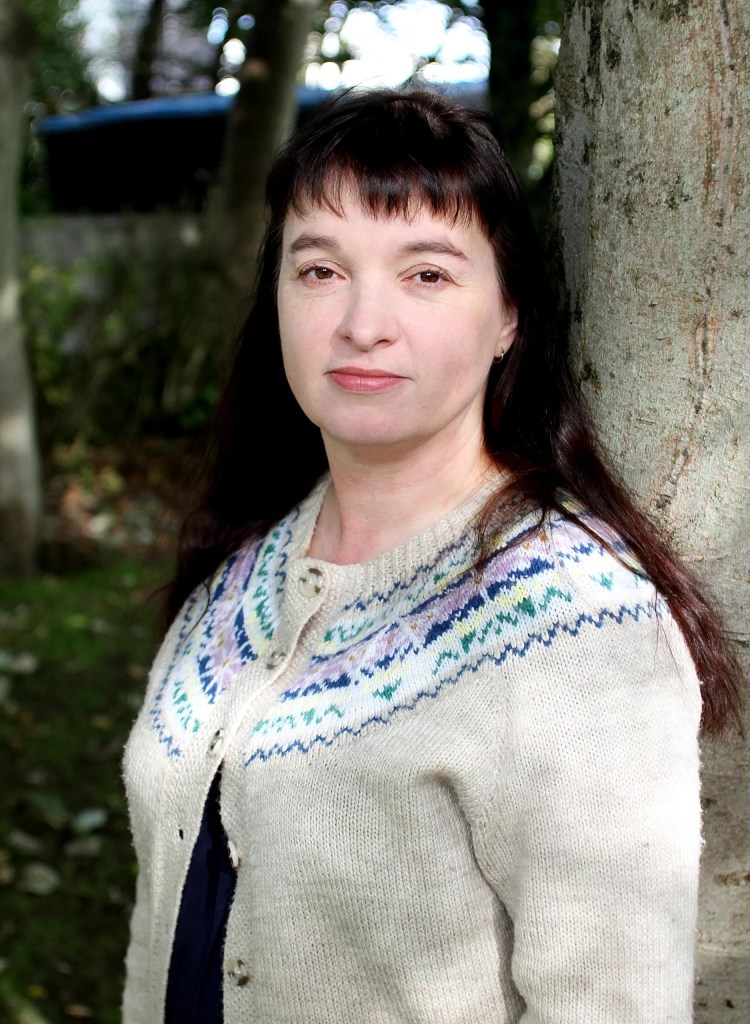
‘Carry His Relics’ describes the journey mentioned at the end of the Orkneyinga Saga when the followers of St Magnus carried his remains from Christkirk, Birsay along the coast to the capital town of Kirkjuvagr.
St Magnus is the patron saint of Orkney. He was murdered on 16th April, 1117. Twenty years after Magnus’ death, a farmer called Gunni, from the Orkney island of Westray, reported that Magnus had appeared to him in a dream and instructed him to tell Bishop William that he wanted his relics moved. Gunni reported his dream and permission was granted.
After the procession along the coast of Orkney, Magnus’ remains were interred at St Olaf’s Kirk, although they were later moved to St Magnus Cathedral. Many miracles had been reported by those who had prayed to St Magnus for help.
The joyful processional melodies make reference to both Magnus’ Viking culture and his Christian beliefs by using traditional Orcadian and Norwegian style music and by quoting from 12th century plainchants that may have been sung by the followers of Magnus. The fifty-five mile long route taken by the pilgrims subsequently became a devotional walk but fell out of use centuries ago. The St Magnus Way was cleared and reopened in 2017 to mark the 900th anniversary of the martyrdom of St Magnus. Gemma McGregor
Elsewhen – Lillie Harris

Ancient sites are intriguing: they offer us amazement at the sheer age of artefacts, many mysteries of why things were that way, and the sense of a delicate thread connecting us now, to those people then. Our interactions with these relics helps us build an image of our past, but there is only so much we can learn from what remains – the rest is lost to time.
In this piece I have sought to capture the strangeness, wonder, and melancholy of objects and sites that exist out of time: they retain traces and memories of the past, but have outlived those for whom they were built, and have been left behind.
Written for the St Magnus Composers Course 2017 Lillie Harris
Søgnin um Kópakonuna í 10 Myndum – Eli Tausen á Lava

Søgnin um Kópakonuna í 10 Myndum (The Legend of the Seal Woman in 10 Pictures) is inspired by a set of 10 drawings by Faroese artist Edward Fuglø, which were originally drawn for the 2007 stamp issue titled Kópakonan (the Seal Woman).
Edward Fuglø’s drawings illustrate the Faroese legend of a female selkie, a mythological creature capable of transforming from seal to human by shedding its skin, who is forced to live as a human when a young man from the village of Mikladalur steals her sealskin. – Eli Tausen á Lava
Søgnin um Kópakonuna í 10 Myndum is receiving its UK premiere by kind permission of the composer and the Aura Duo, who commissioned the piece to perform at Sumartónar in the Faroe Islands.
Wogen – Kári Bæk

Transcribed for viola by Katherine Wren
Wogen captures the shifting moods of the sea. The piece has a sense of voyaging, a sense that gains momentum as the piece progresses. It ends with a hymn-like passage from a stanza of Sinklar’s Visa set to a tune from the island of Nólsoy, in which the Scottish mercenary is warned by a mermaid not to engage in battle with the Norwegians. – Katherine Wren
Aud by Linda Buckley
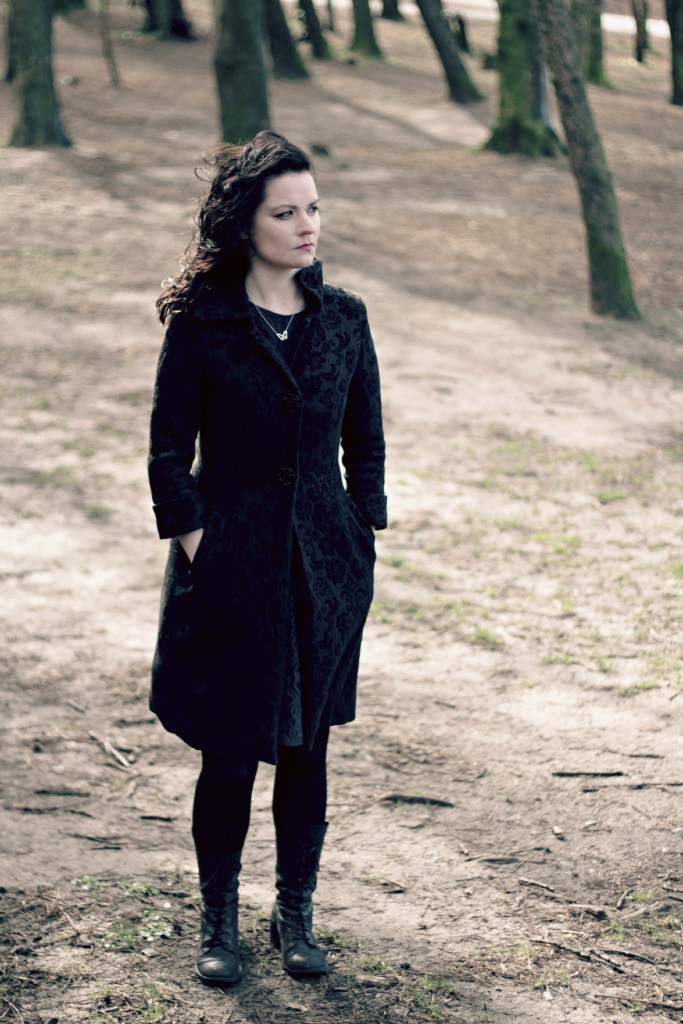
It has been a strange yet uplifting experience to create a work so immersed in adventure and travel, while those parts of our lives for now, remain on hold – almost suspended in time…
This marks another chapter in a long and deeply felt connection to those expansive landscapes of Iceland and the Scottish Isles, perhaps rooted in my own first breaths of home, born in the Old Head of Kinsale in the south of Ireland, a headland jutting out into the Atlantic Ocean.
The story of Aud the Deep-Minded has been immensely inspiring to me, this strong Viking woman who showed great courage throughout her life, through her travels from Norway to Scotland and north to Iceland. My own musical interests seep into this work, from the droning of the hardanger fiddle in Norwegian folk music, to the restless energy of Scottish and Irish dance tunes, to field recordings of wind and ice made in rural Iceland.
I wish to thank Katherine Wren for bringing this project to life, and for shining a light on these important historical figures from the Icelandic sagas – giving new voice to their stories.
Commissioned with support from the PRS Foundation Women Make Music Fund.
Korona Trot – Anni Helena Lamhauga
Anni Helena Lamhauge lives in the Faroe Islands and was the winner of our recent “Seastories” Competition. Her winning piece, “Korona Trot” was written as she looked out over the sea from her home as she quarantined. The title is a play on words as “trot” in Faroese means to be tired of something.
The Dromer – Traditional arr. Danish String Quartet
The Dromer appears in a collection of tunes in Denmark made by the Bast Brothers from 1763-1782. It is a so-called “English Dance”, In the last half of the 18th Century, dances from the British Isles were very much in fashion in Denmark. The peculiar titrle of this tune is probably a misspelling of “The Drummer”, which is a fairly well knwn Scottish reel that is identical to the melody notated by the Bast Brothers. “The drummer” started to appear in British tune collections around 1700 and it later morphed into the quite famous Scottish song, “The Piper o’Dundee” that was used to “stir up the chiefs and their clans” during the Jacobite Rising. – Danish String Quartet
The Dromer is performed by kind permission of the Danish String Quartet.
Discover more from nordicviola
Subscribe to get the latest posts sent to your email.

