

One of the themes running through On A Wing and A Prayer is introducing audiences to Nordic music by composers whose style complements that of the composers I’m working with.
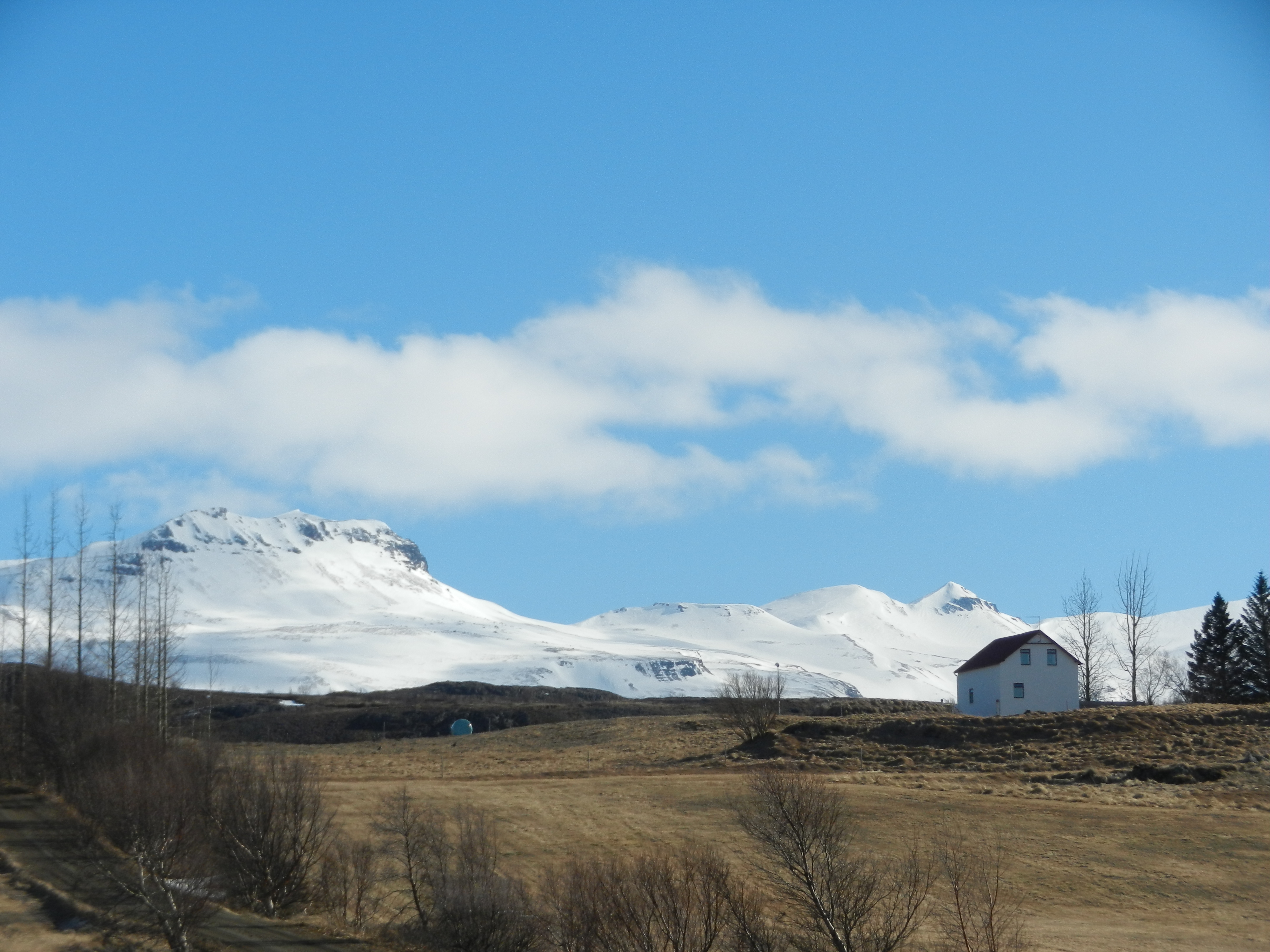
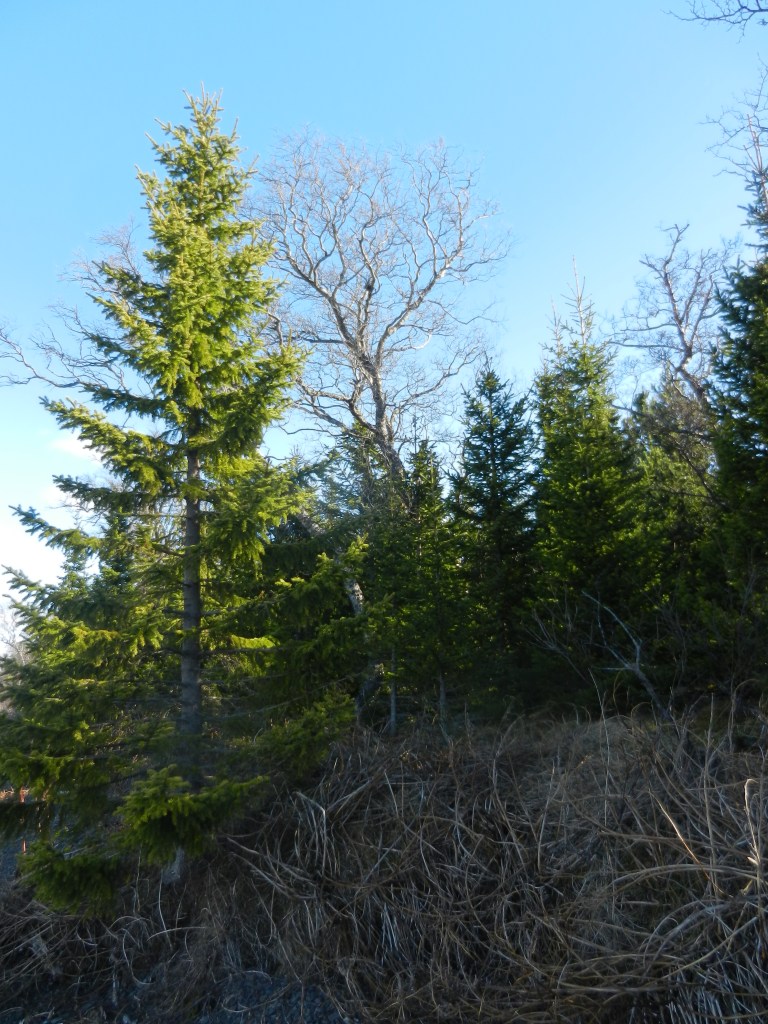
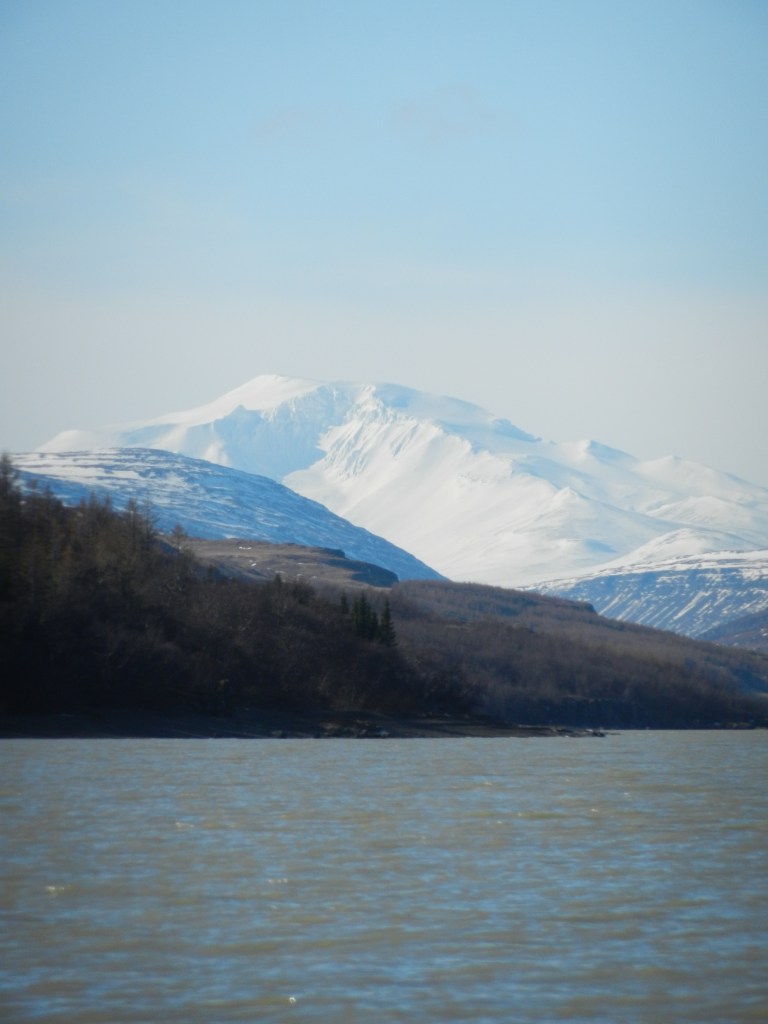
For our performance in Banchory, Deeside on 14th March, I’ve commissioned Icelandic /Scottish composer, Charles Ross to write a new piece for me inspired by the forests of East Iceland. Yes, you read that correctly: Iceland does have trees. If there’s one thing in nature I miss in the Far North it’s trees, so when I stay in Egilsstađir I delight in spending time in the dwarf birch woods on the edge of town and in “The New Forest” of Hallormsstađar along the banks of the incredible Lagarfljót, whose green glacial waters stretch practically from the northern foot of the Vatnajokull glacier up to the North-East coast. Both these woodlands, plus the wide open mountain landscape, remind me of the Cairngorms National Park with its birch woods and pine and the drive to regenerate ancient woodlands.
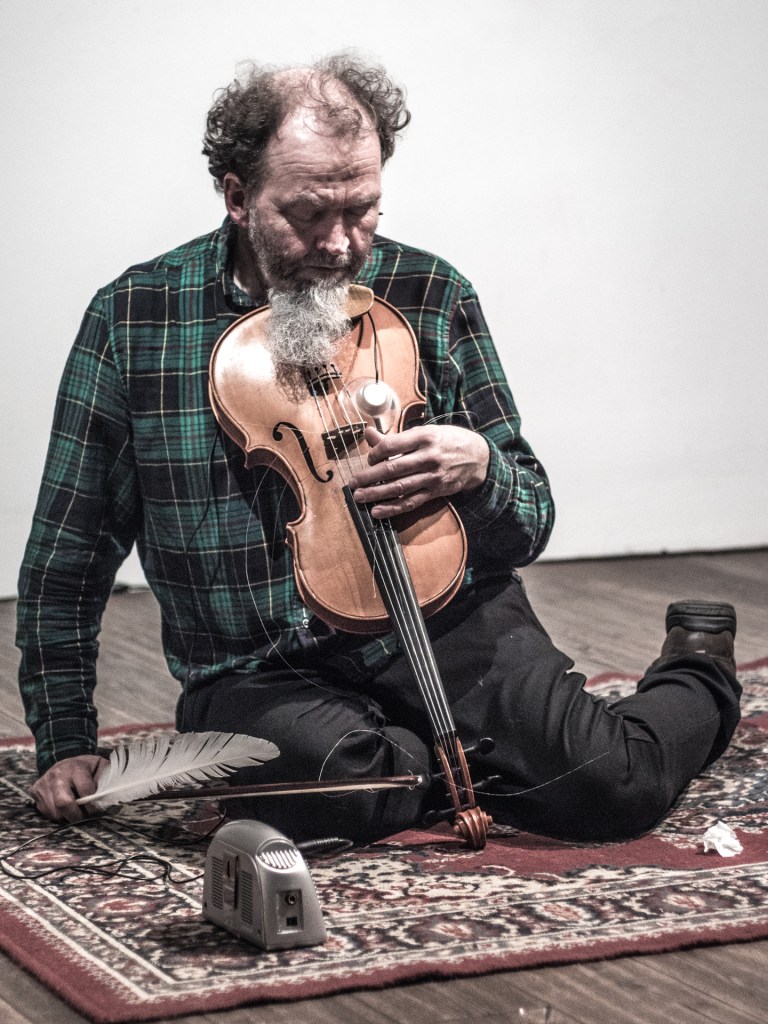
Charles and I, too,share several things in common: we’re both viola players and love creating music through improvisation and open scores. We’ve performed 3 improvised concerts together at the Blue Church in Seyðisfjörður, Iceland in 2016 and at Mengi in Reykjavík and Slátarhusið, Egilsstaðir in 2019.
His use of short melodic and rhythmic cells and almost primeval, elemental textures fits well with the electroacoustic sounds drawn from field recordings that Pete Stollery is creating and with Joe’s delicate transcriptions of bird calls, which, like Charles’ music, will be mine to piece together in performance.
First Impressions
There’s always a feeling of great anticipation and, I’ll be honest, a little nervousness when a new commission lands in your inbox, especially when you’re dealing with non-standard notation. I was going to say also an element of interpretation, but really that goes for all types of music – that’s our job as performers, after all, and notation is always an inexact science.
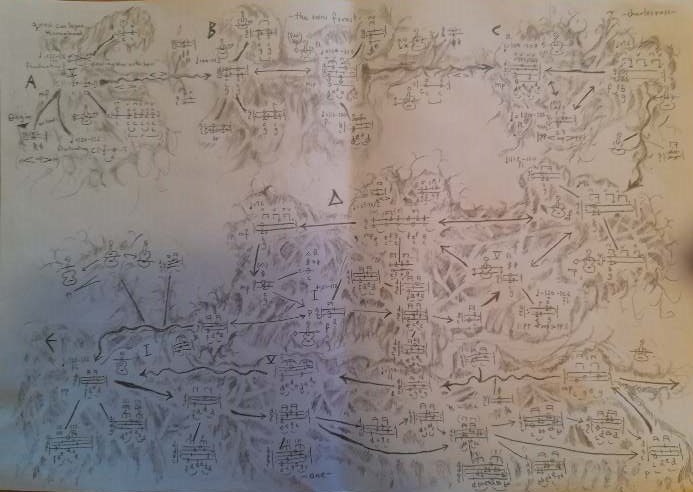
My first thought on seeing “The New Forest” (and that of almost everyone I’ve shown it too) was “Wow, what an incredibly beautiful and intricate score” followed closely by “how do I start learning this?”
Finding my way
At first glance it’s not so easy to see your way through the piece – after all, it is a forest! My first job was to understand how the information is presented to me. Charles ‘ notation is actually very clear: 4 stave lines represent the 4 strings of the viola and on each line is the number of which finger I’m using as well as an indication of what position my left hand is in. For the right hand, there are little graphics showing the contact point and degree of pressure for the bow. The music is made up of tiny motifs, often repeated, with main motifs and satellite motifs. How to move from one section to another is shown by direction arrows and there are short transition sections, which are often pitchless – I think of them as being like the trees breathing, that sense of being amongst living entities that you get in a forest.
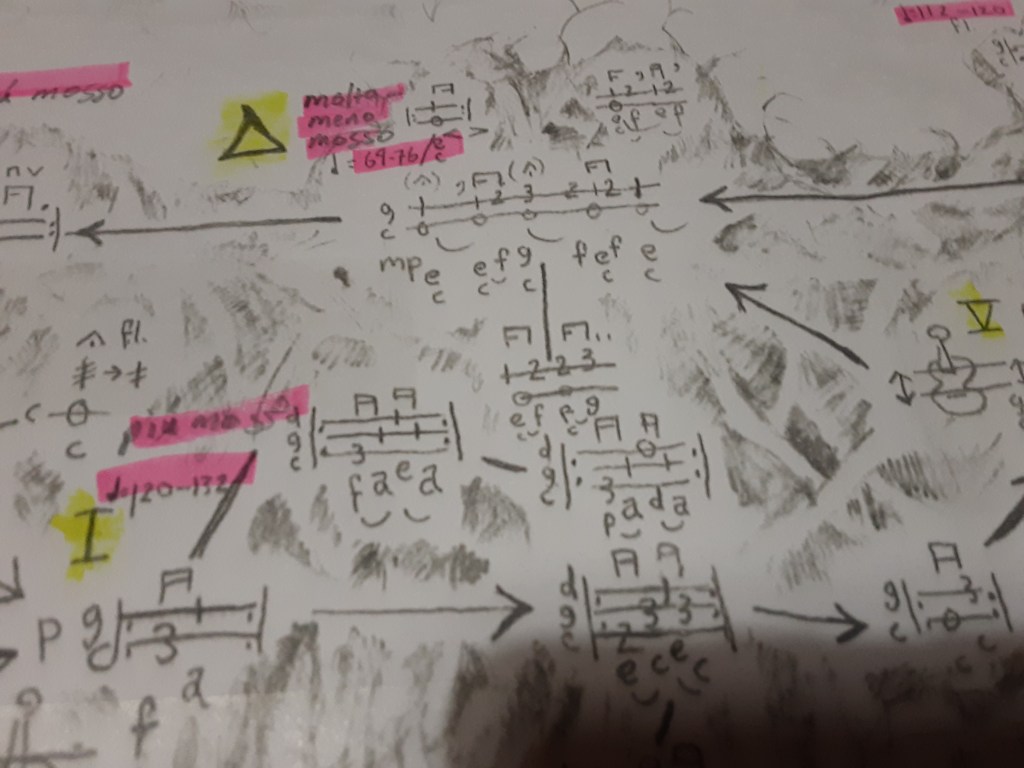
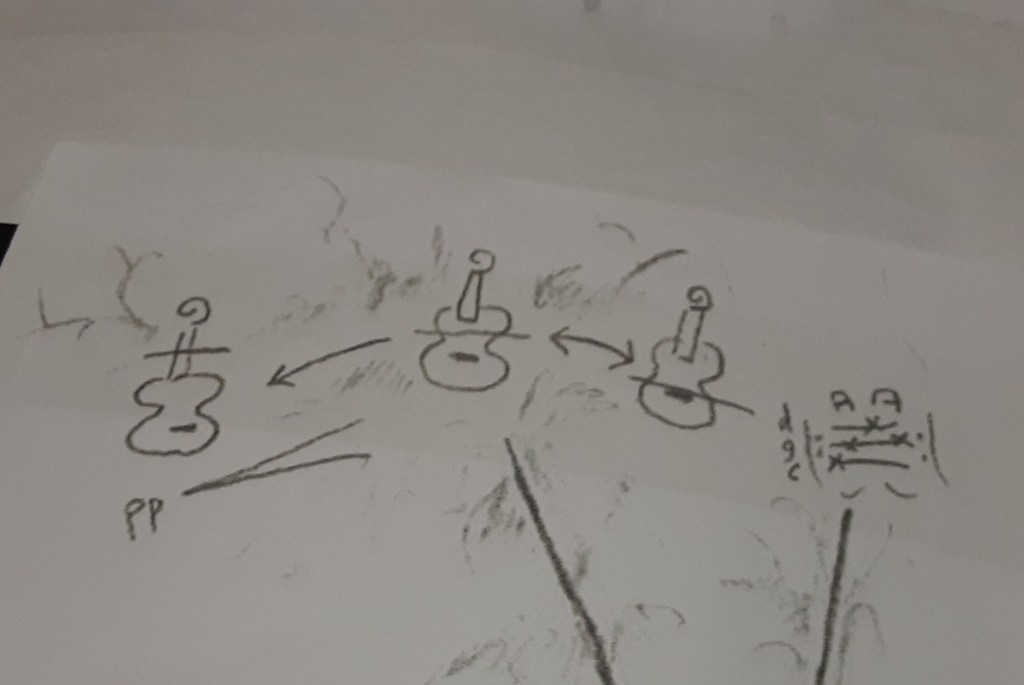
I decided to start work by literally cutting the piece into sections and learning each section – a case of being able to see the wood as well as the trees! Once I felt I knew the piece a little, I pieced it back together again – quite literally, by sticking the sections onto black card and enlarging them. This act in itself helps me learn my way through the piece.
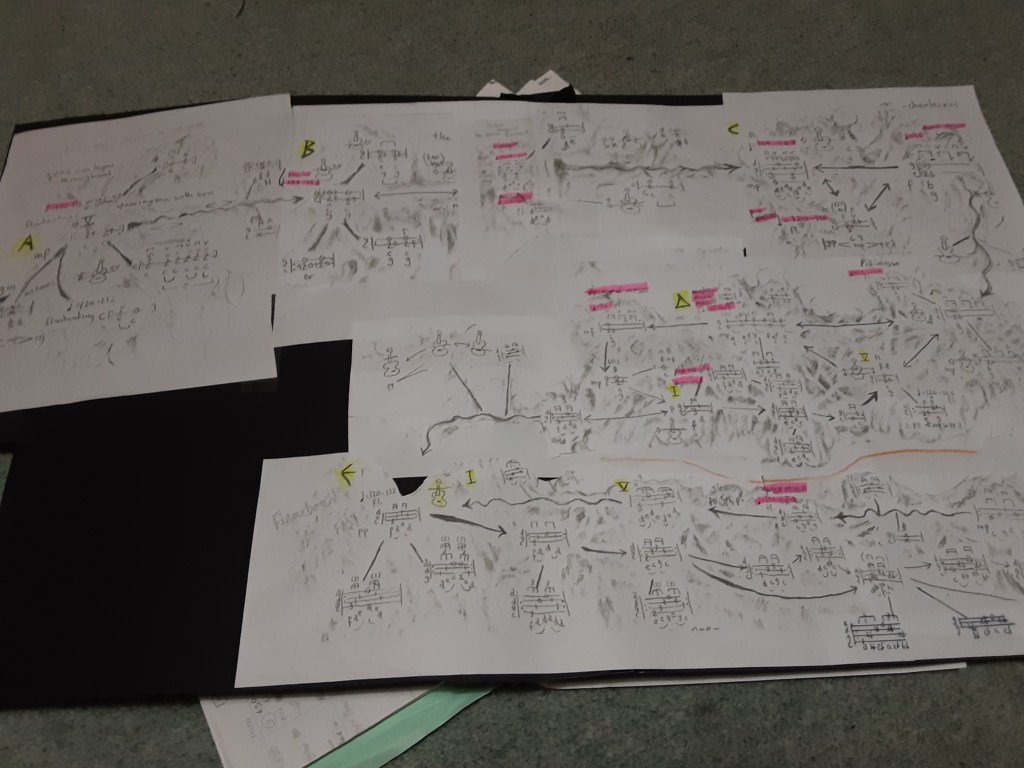
Work in Progress
My first proper attempt at a playthrough felt pretty rambling and unbalanced. I realised that I was repeating cells based on when my brain had processed my next move rather than truly understanding the form of the piece, so I returned to studying it more closely again with my focus on the micro and macro levels.
First I needed to actually understand the function and content of each section. Is the music primarily melodic, harmonic or textural? Is it static or is it moving forward? What tone colour am I producing ? What are the tempo relationships? Then I needed to understand the progression through the whole piece – the overarching form. I looked for material that was developed or repeated, trying to understand how and why it had changed,
Getting closer to the performance date, I’m almost there now and ready to send a version for Charles to comment on. Here’s a sneaky peak at work in progress:
I’m loving learning it. The fact that I need to delve into the structure and, in many ways, to construct it anew in my own performance, means that I’m developing a very close and intimate relationship with the music. I feel very inside the piece and can really feel the journey through that forest on a very personal level. It’s very delicate music with its brittle, col legno and tratto textures and its tiny little cells, yet, like the trees, it has a robust structure. I hope you’ll enjoy its very distinctive sound when you hear it in performance.
https://thebarnarts.ticketsolve.com/ticketbooth/shows/1173652872
Discover more from nordicviola
Subscribe to get the latest posts sent to your email.

