

When I launched On A Wing and A Prayer 18 months ago with Renzo Spiteri in Shetland, I knew it would be the start of a long and deep conversation around Scotland and the Nordic region about our changing habitats and how we respond practically, emotionally and, as whole communities, artistically to that.
Album launch events
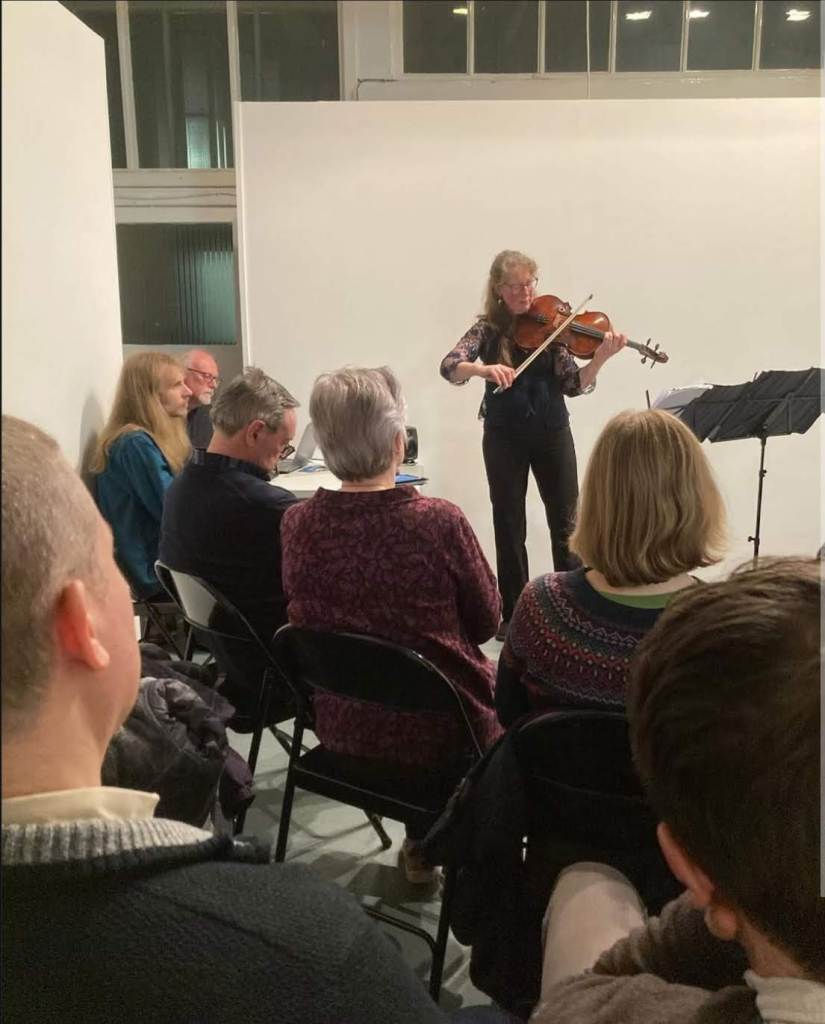
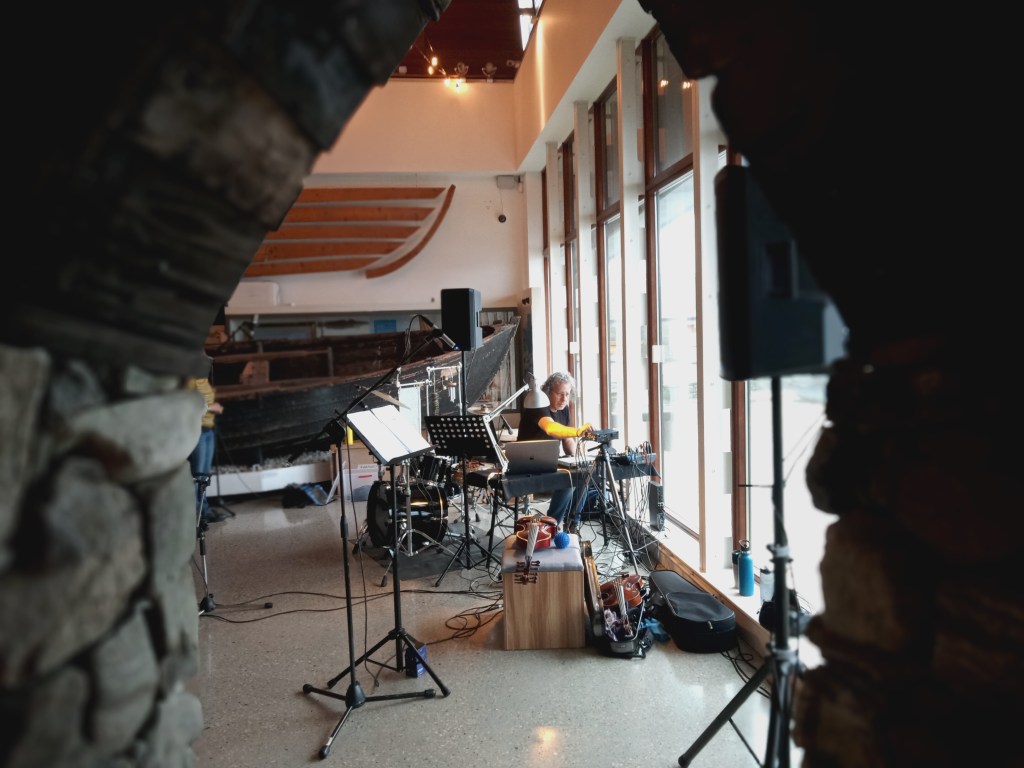
I’ve been thinking a lot about that over the last couple of months and reflecting on the launch events around our first album of the series, On A Wing and A Prayer – Reflections on Deeside’s Changing Habitat (which you can buy here), where Pete Stollery, Joe Stollery and I connected with three communities: Aberdeen, Stirling and Dunblane.
New Sound and Art Workshops at Stirling University and in Dunblane
We were, of course, proud to present and perform our music from Glen Quoich and the Dee but much more than that, it was an especial pleasure to invite artist Orla Stevens onto the project, as well as composer Matilda Brown in Dunblane, and to invite people to reflect deeply on their own neighbourhoods, listening and seeing in a more mindful way than they might already do.
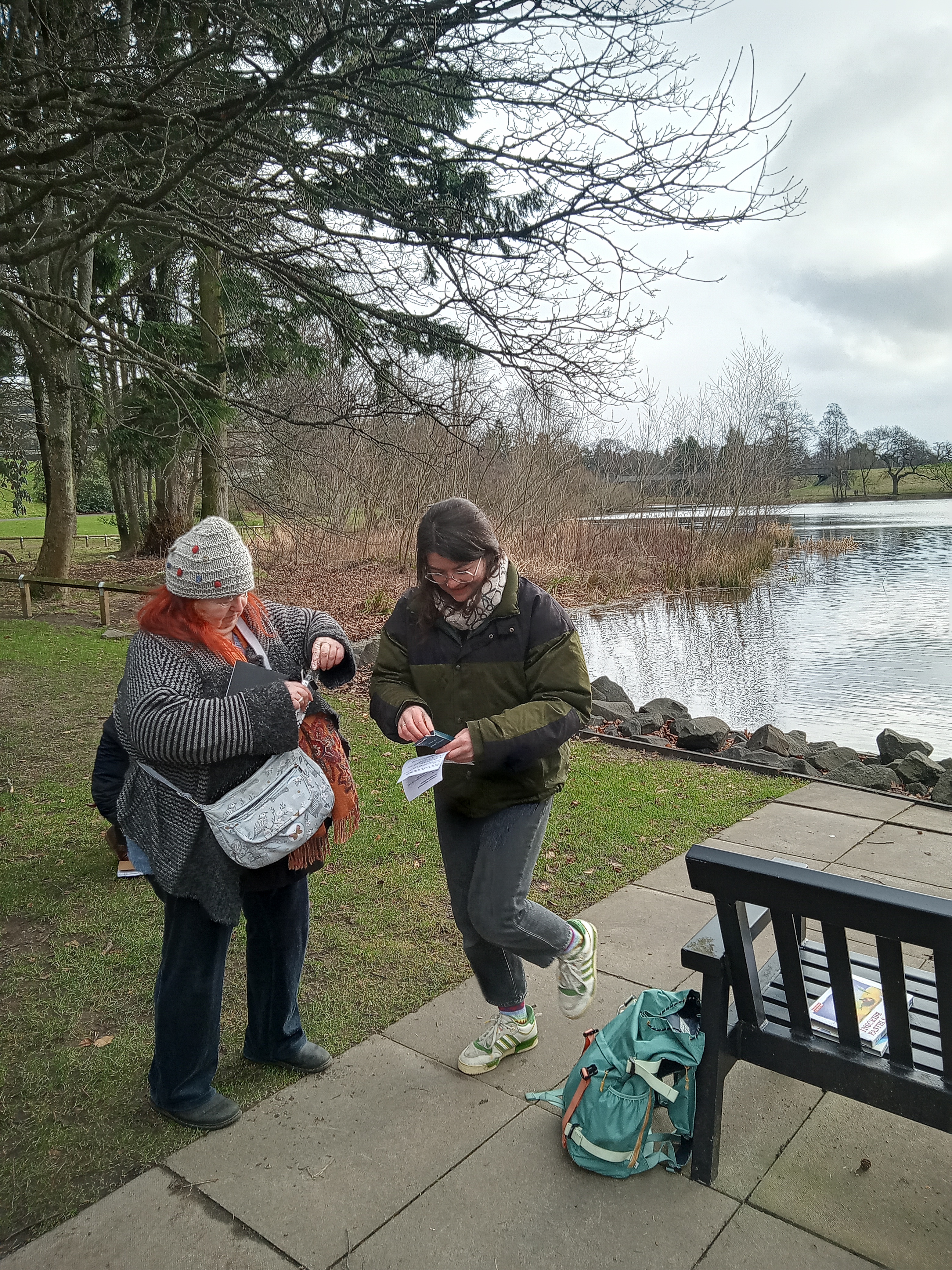
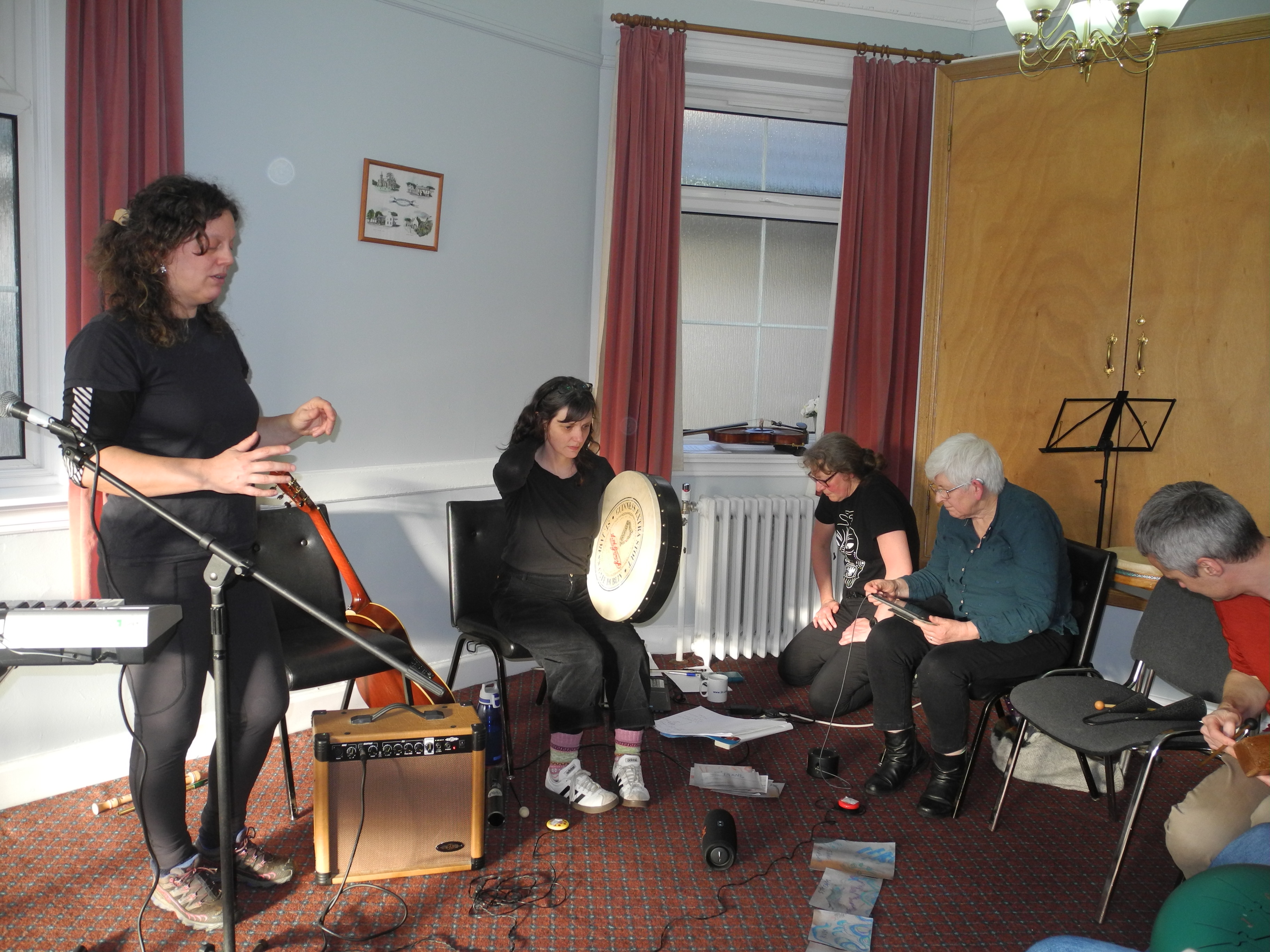
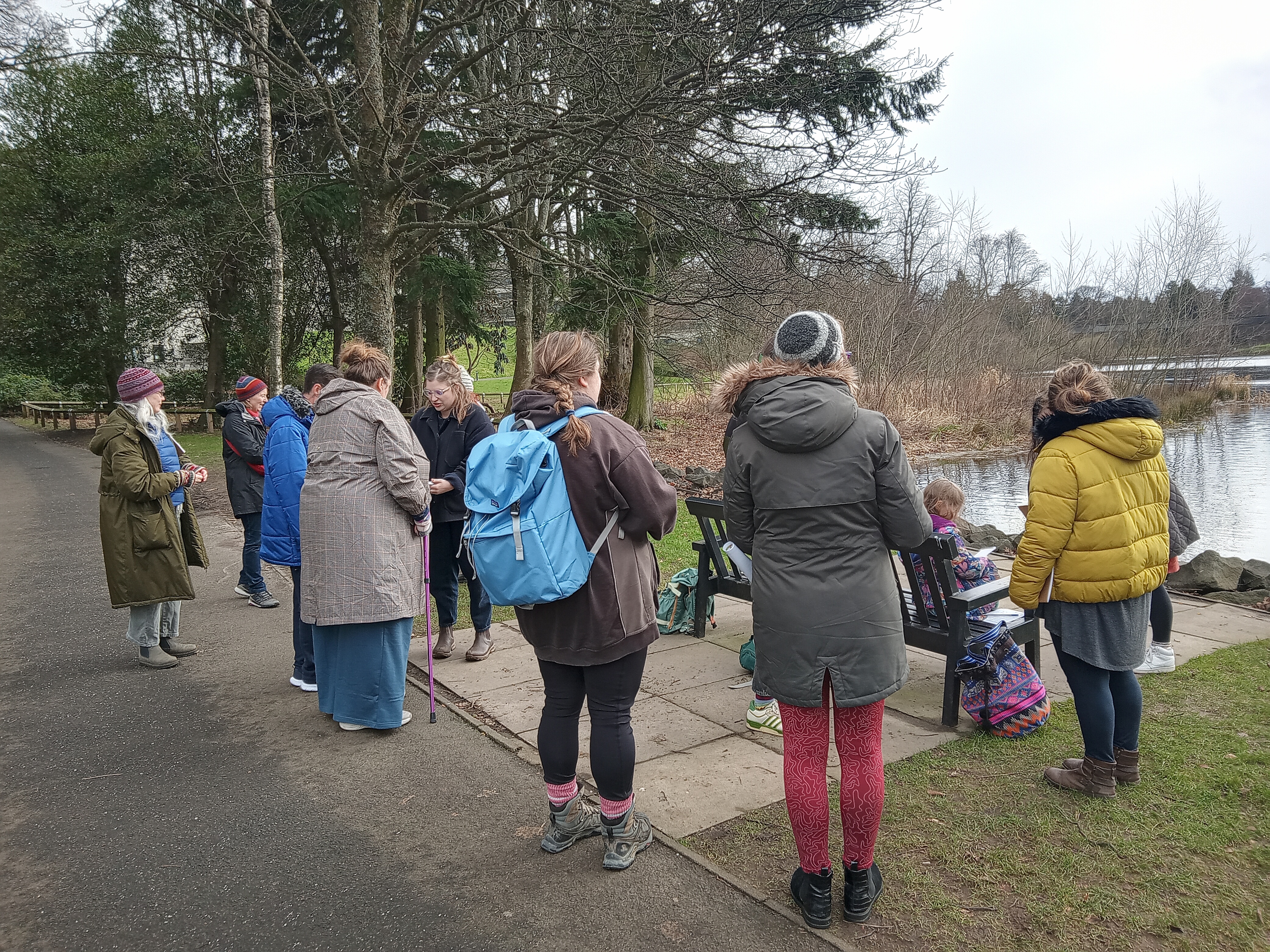
We had a lot of fun along the way. Inspired by Pete’s prompts to hear the music in everything and to think about sound creatively, we had some playful pops from the hockey pitch at Stirling University and the gentle patter of rain on a goretex, recorded close to, as well as the expected birdsong and water sounds. In Dunblane, the playpark produced a rich and playful piece of sound art and Matilda helped us improvise a piece that slickly transitioned from peaceful birdsong and the wind in the trees to the raucous sound of a chainsaw clearing up after the winter storms.
Our aim, through playfulness and experimentation, is to focus people’s attention on the environment around us. By engaging more deeply with it, we’re hopeful that people are more likely to care about it and for it. By listening and seeing things close to home that mirror habitats in the Highlands and Islands, our empathy for other communities grows.
I’m delighted that we have a guest blog for you from the master of playful reflection, artist Orla Stevens:
Drawing Sounds by Orla Stevens

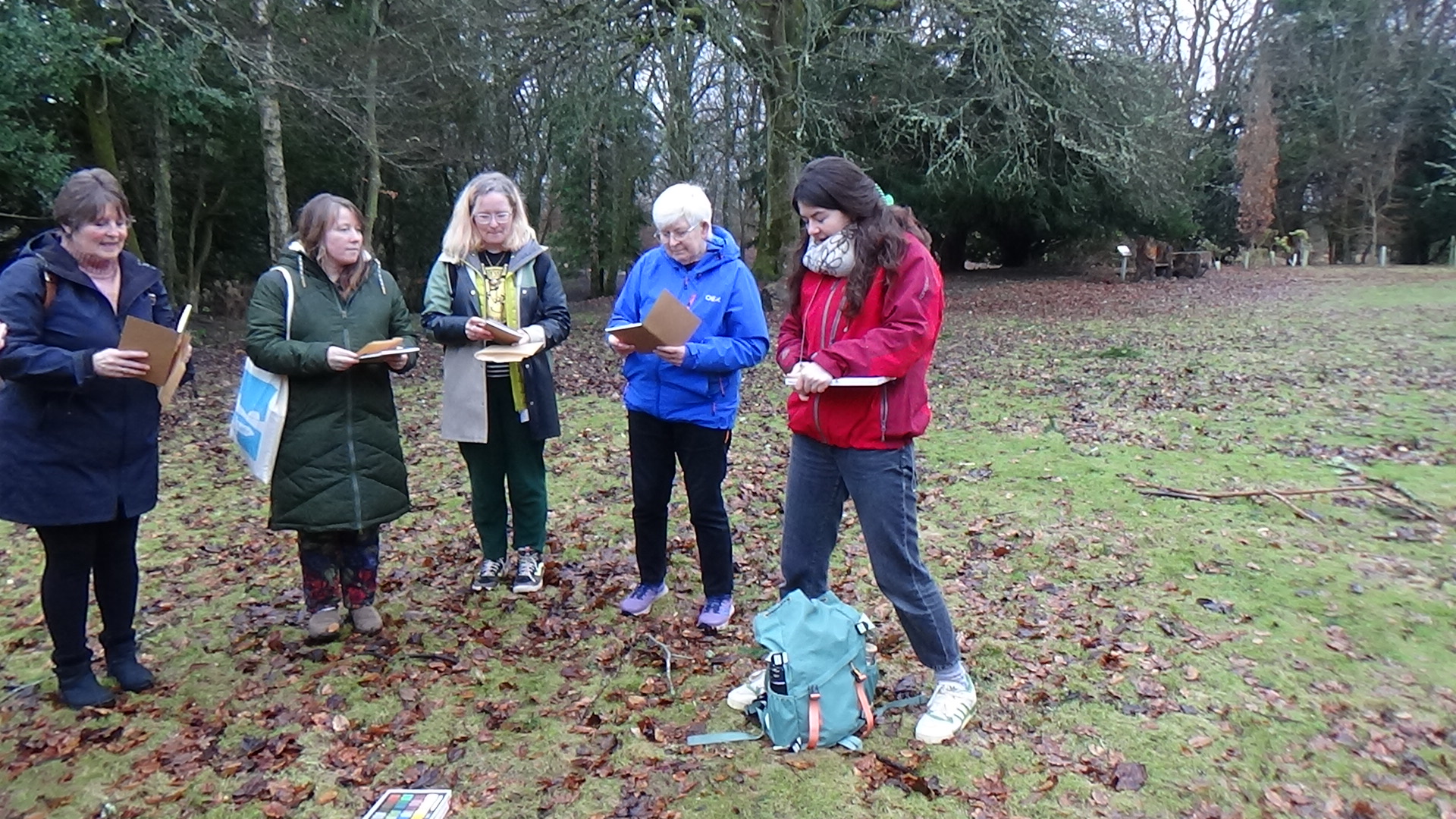
In these collaborative workshops, we brought a selection of playful drawing prompts to each day – which were designed to help us listen and tune in to the environment. The point of these drawings, and of making art in this collaboration, was less about creating something visually ‘beautiful’, and more about process, sharing ways to connect, to listen more deeply and to share as a group. While we may be aware of climate change – hearing it on the news or reading facts or figures in articles, there is nothing more impactful than feeling its effects or noticing it firsthand. Making art and music are practical ways to help us notice more and tune in to the world around us – and through these workshops, we wanted to share fun and accessible ways of doing just that: regardless of perceived ‘skill’ or age.
Similarities between visual art and music or sound art
There are many similarities between visual art and music or sound art – we might look to express something in each of these art forms through things like: rhythm, texture, mood, colour, movement, speed. In our collaborative workshops we explored the question “If sound was a visual, what would it look like?” by thinking about these things. The art in the workshops focused on simplifying sounds down from a whole soundscape: focusing in on just one sound at a time, and really tuning in to its quality. Was that hum of traffic fast, or slow? Was it rough, or smooth? Loud or quiet? How did that sound change our mood or make us feel? We simplified sounds into these focuses: how could we make a mark, shape or line which felt ‘loud’? How could we make a drawing which felt fast? There are no right or wrong answers to these questions, and ways to visualize sound, which brought a great sense of freedom and playfulness to each session. By focusing on the process and reacting to sounds, we were able to move away from making ‘good’ or ‘bad’ art or being self-critical: which so often holds us back from any form of creativity or ways of connecting with nature.
Exploring the sights and sounds of Stirling University Campus
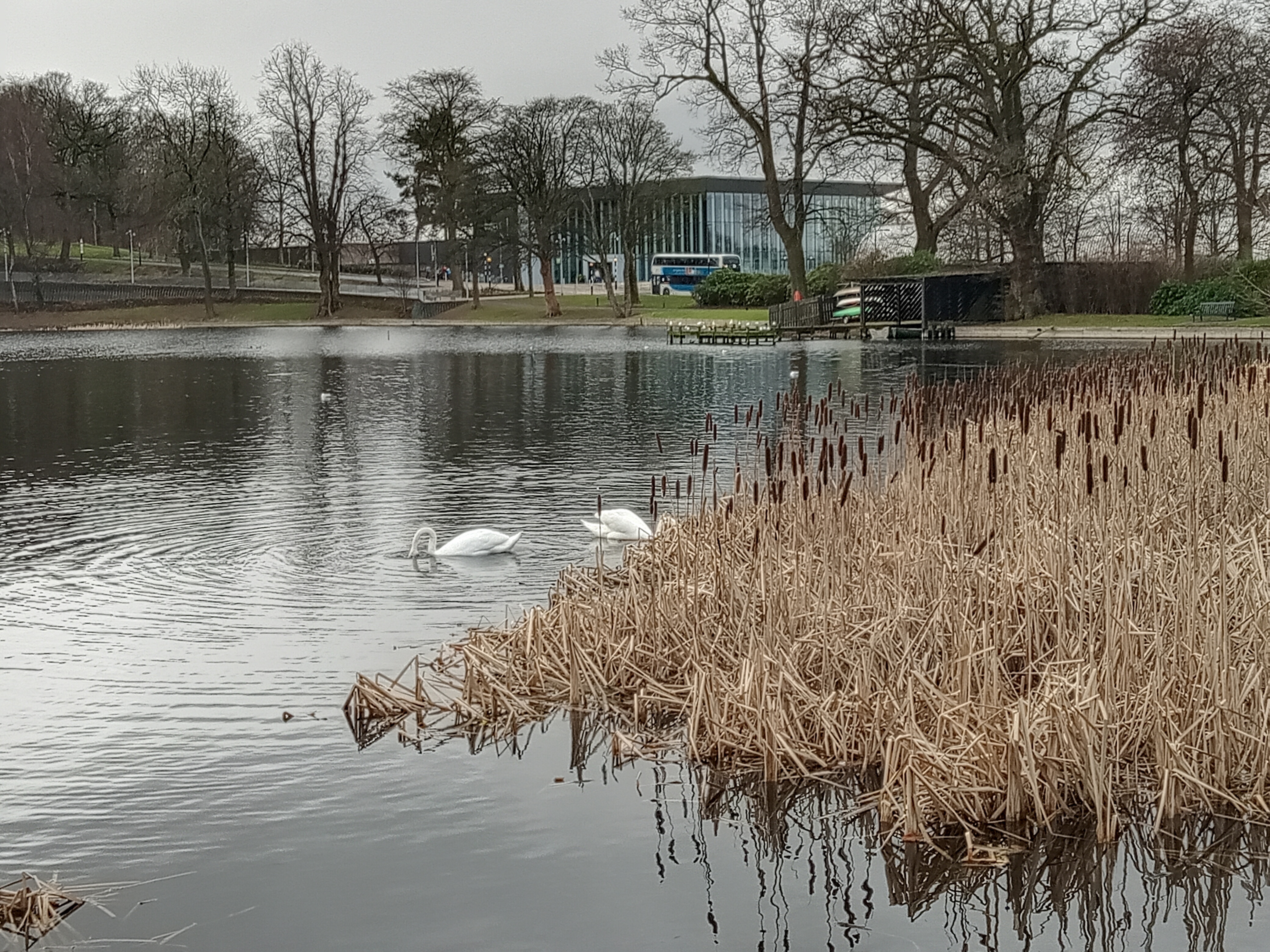
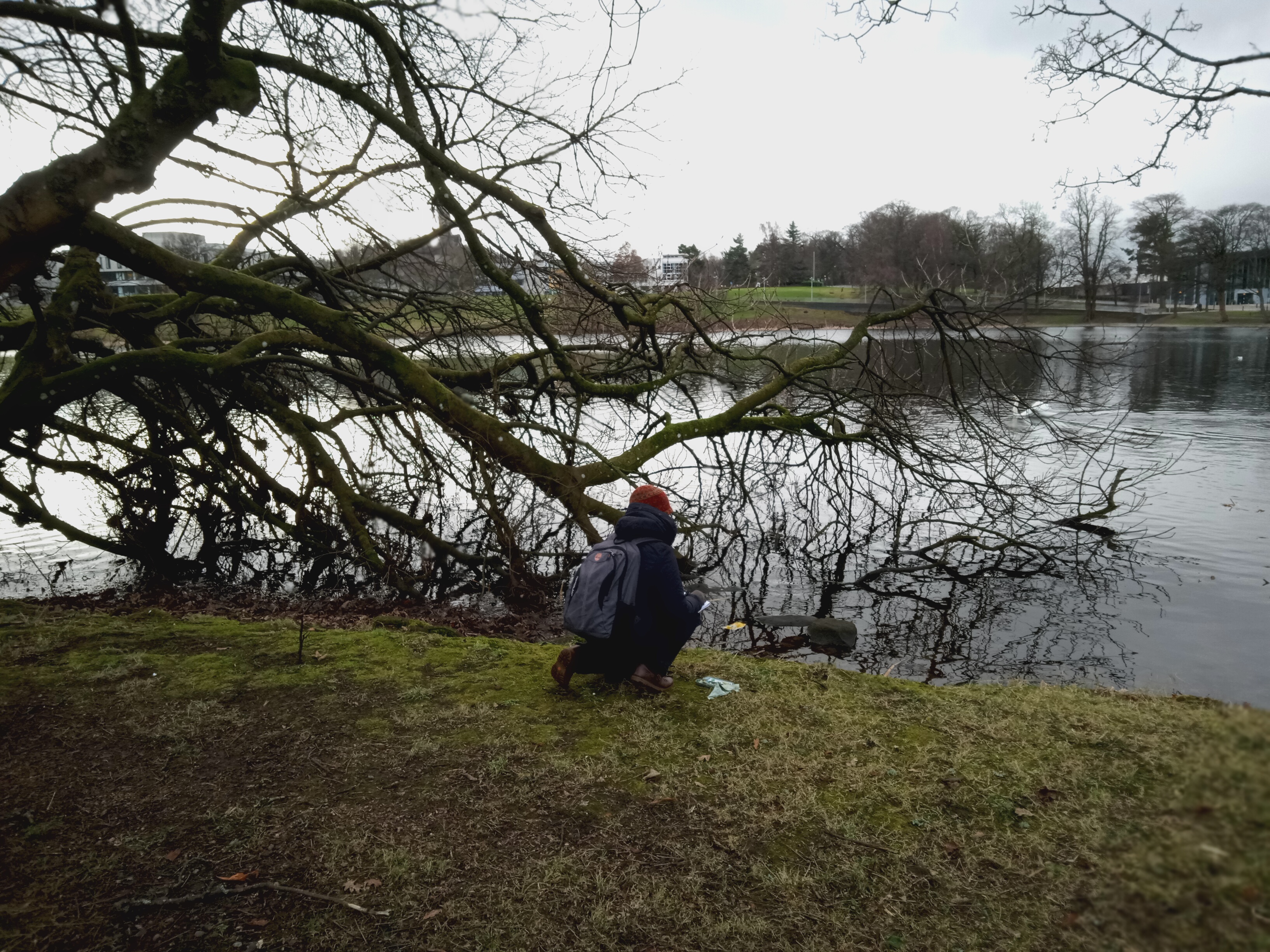
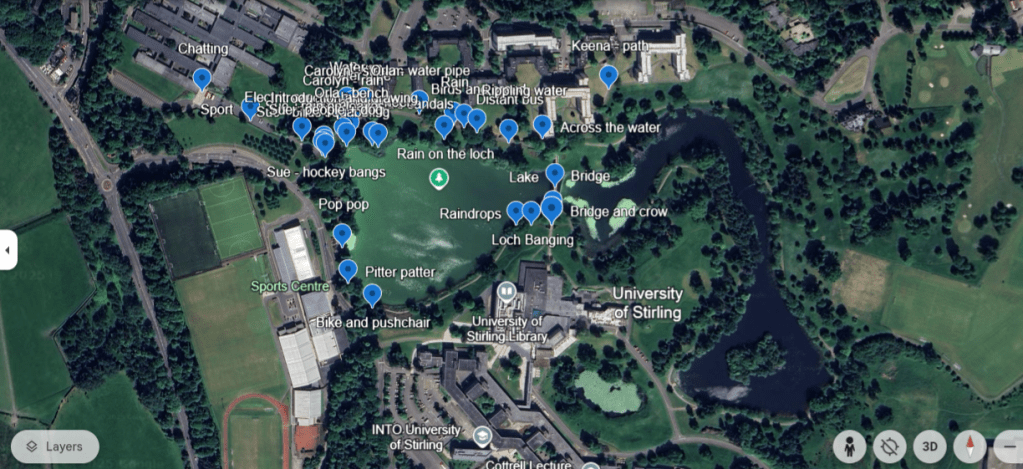
I am always amazed at what we become aware of, the more we listen. At Stirling University campus (a very nature focused space teeming with wildlife – with many bird species, the Ochil hills in the backdrop and centered around a beautiful loch) the initial impression is a fairly calm, quiet environment. After an hour of listening, drawing and gathering sounds outdoors, the place had been transformed from a serene nature escape into hustle and bustle akin to a town or city environment – teeming with bird calls, pitter pattering of heavy rain fall, the putting of hockey balls in a nearby match, car engines rolling by. It’s a great reminder of just how much of our environment we shut out on a daily basis. While we can’t and may not want to take in all that information all the time, taking a few minutes to become aware of what is around us can really help us to practice attention, and feel more connected to where we are right now over the many other things going on in our lives.
Developing our sketches and listening to sounds
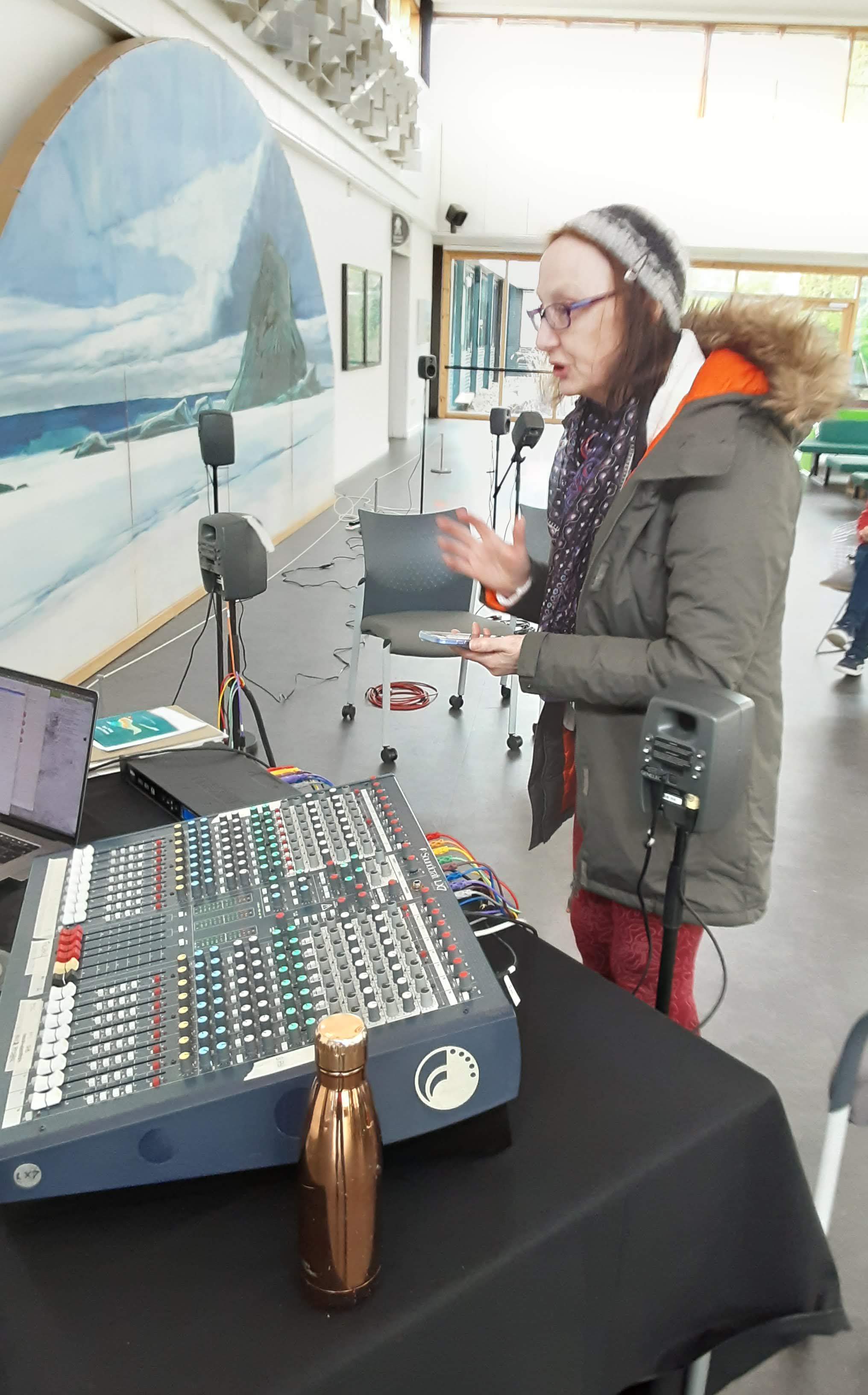
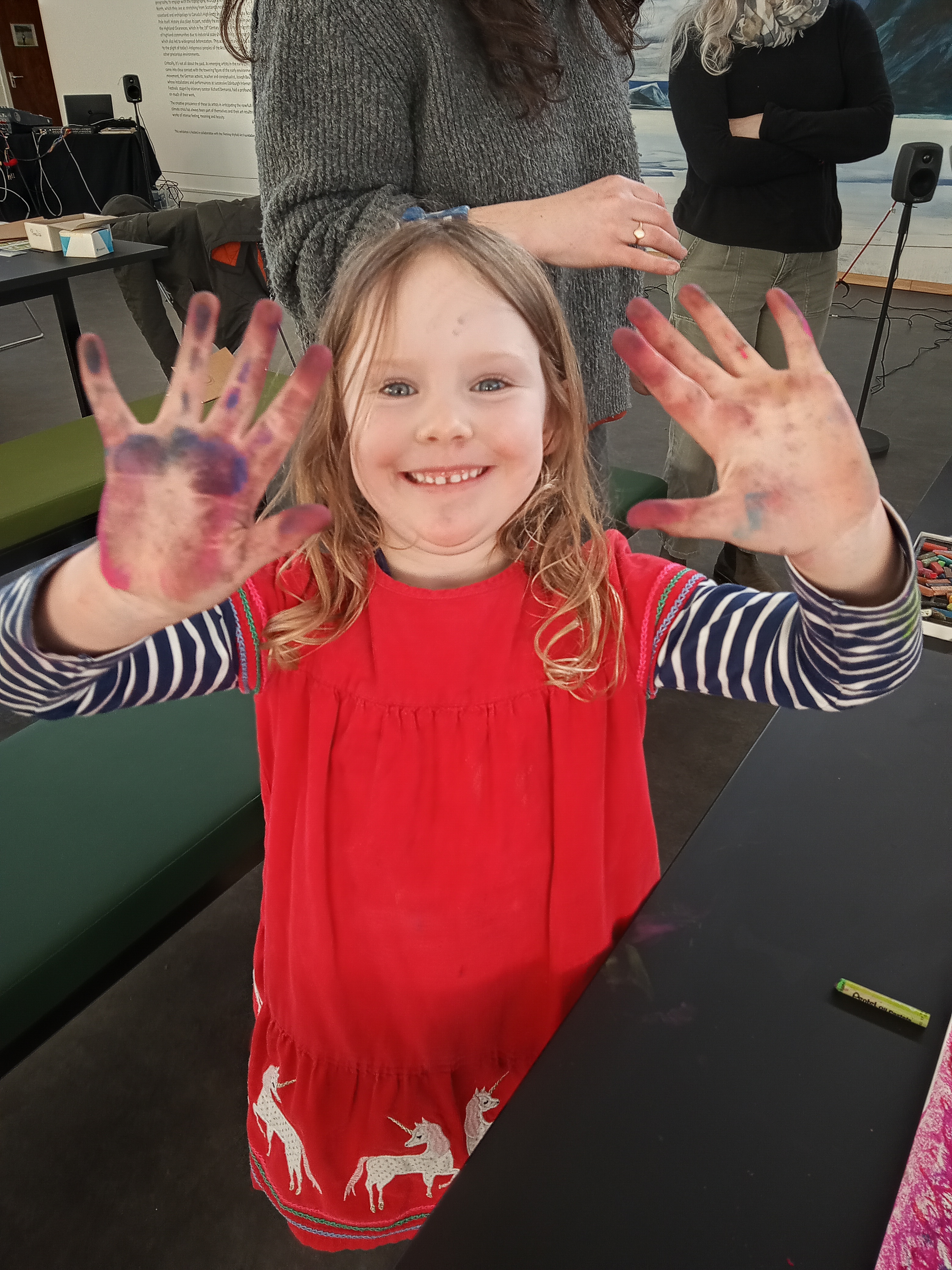
After our initial gathering or ‘foraging’ for sounds, drawings and sound recordings, we headed inside to share our discoveries with each other, and to create some more developed drawings. To reflect the wider soundscape in all its variety and depth, we created very playful, collaborative large-scale drawings: Working as a group to layer our reactions to each sound on top of each other, layer after layer. The end result was a good visual reflection of just how many sounds were out there, once we started tuning in.

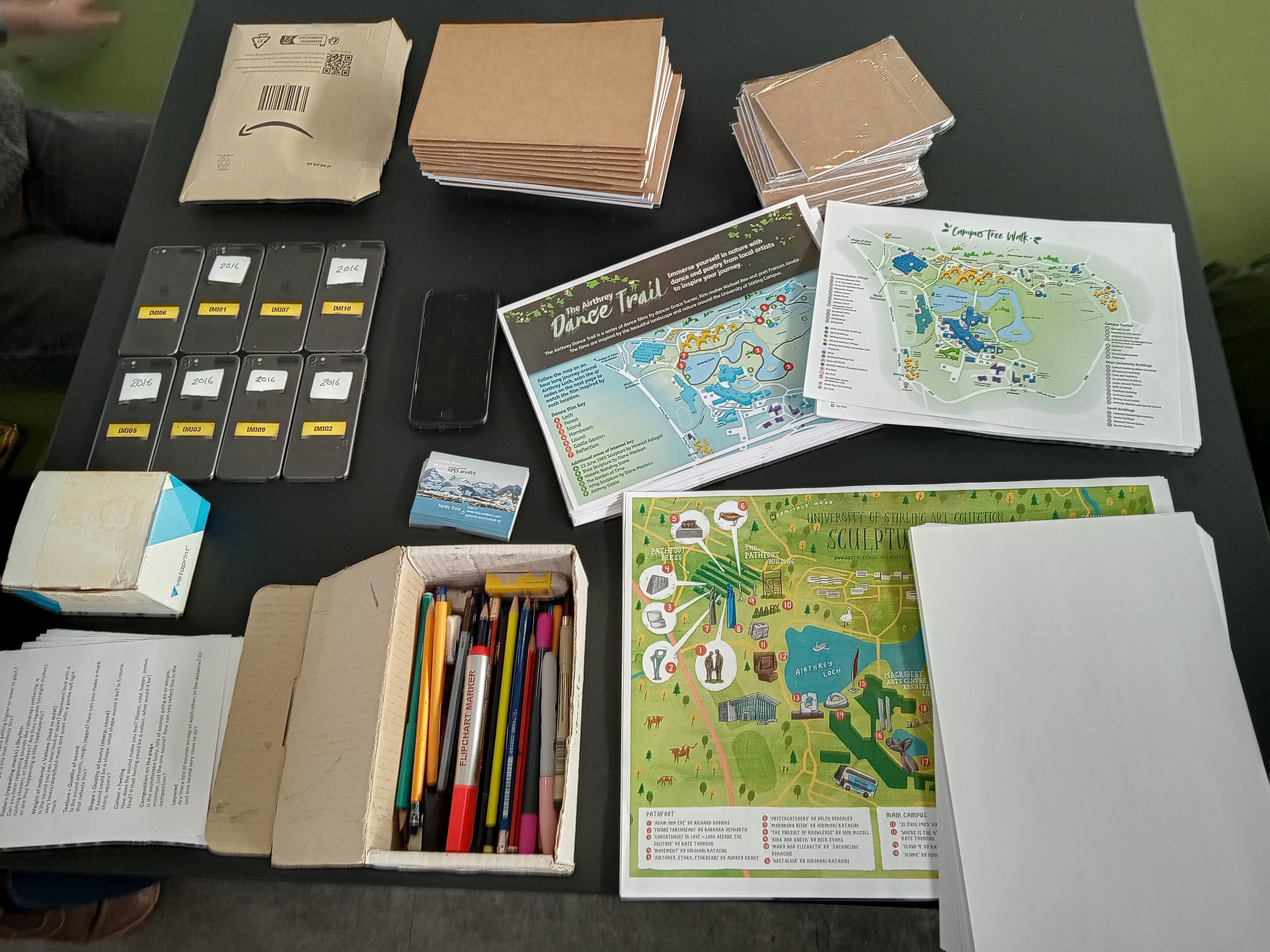
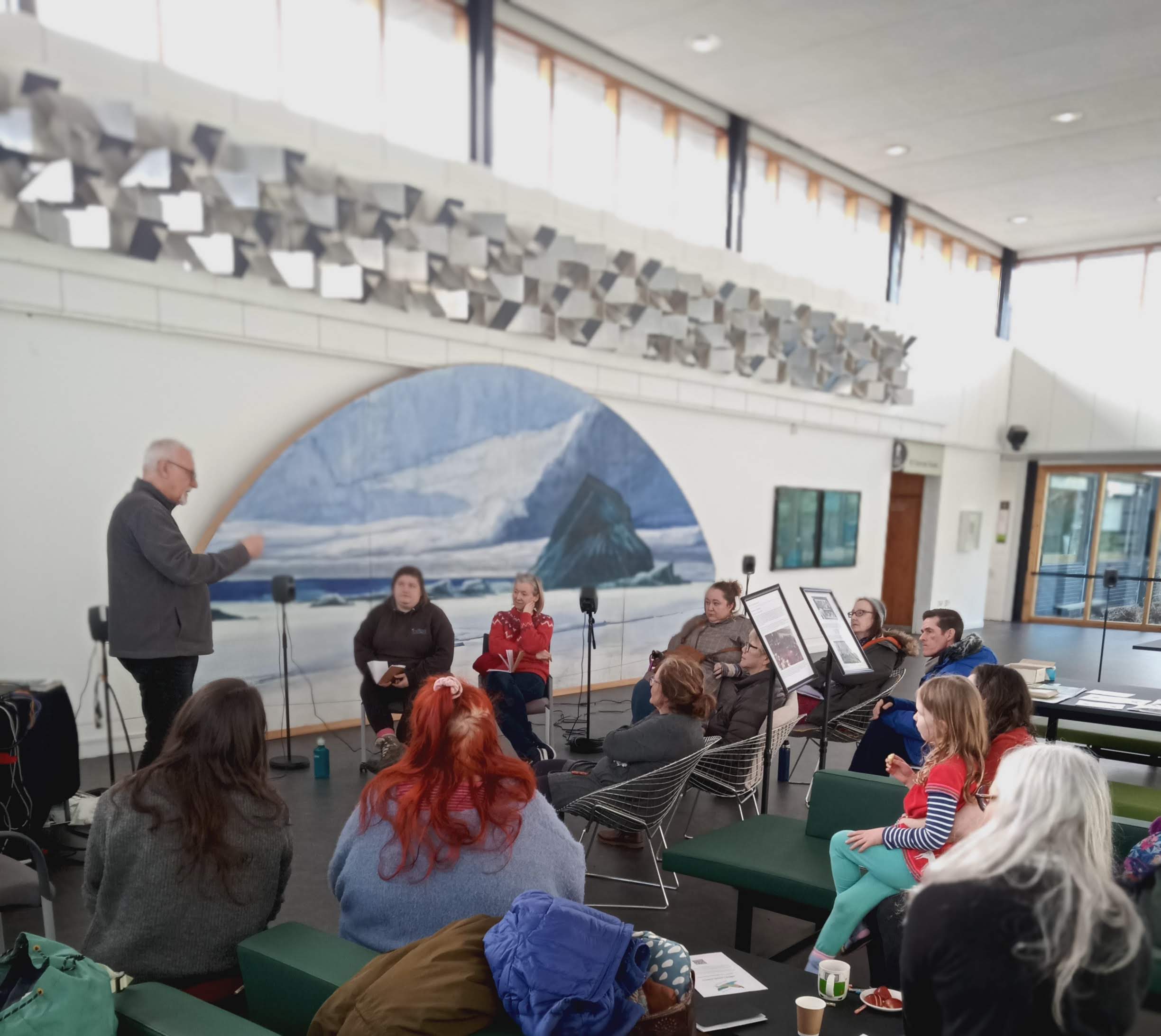

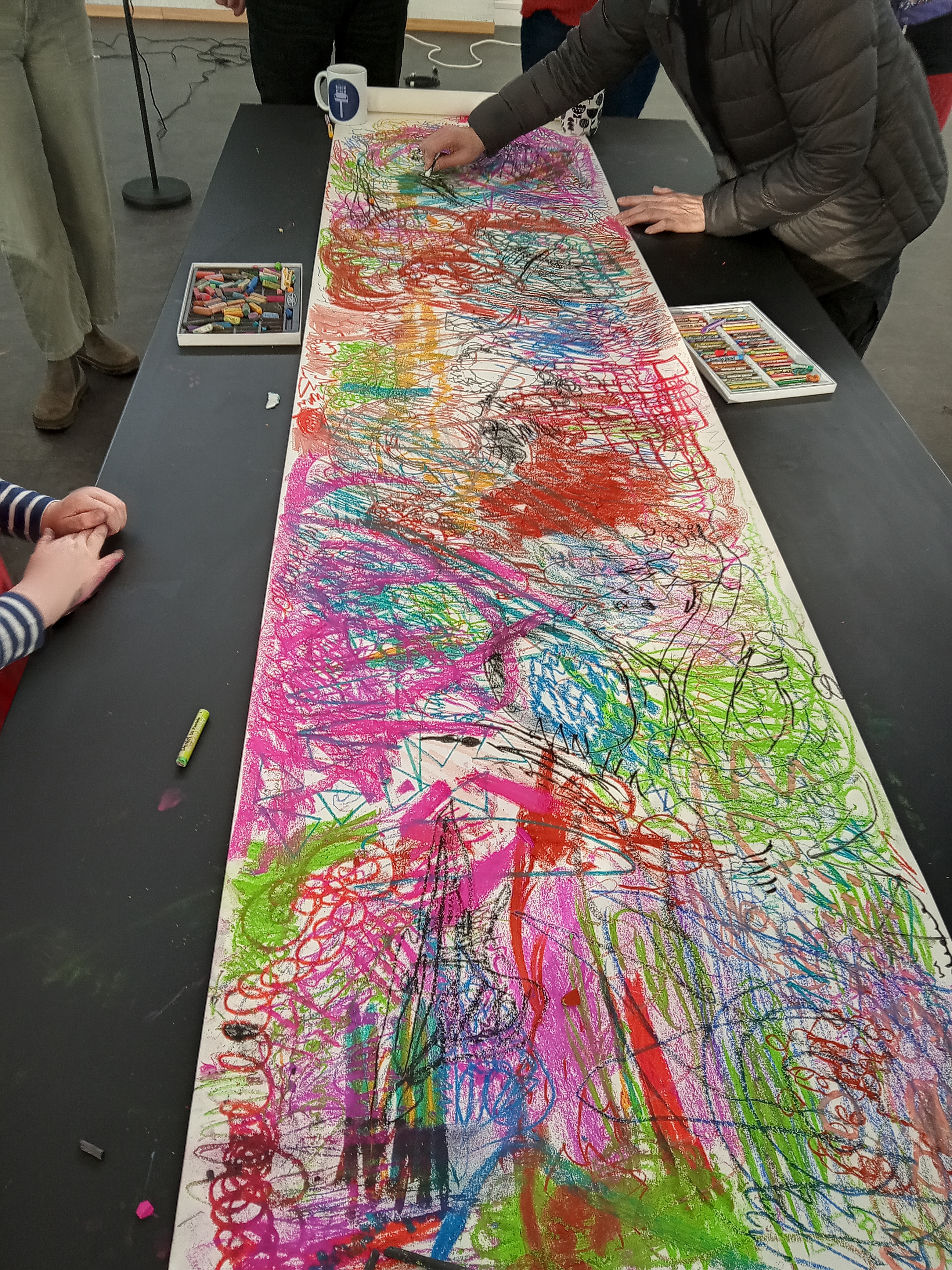
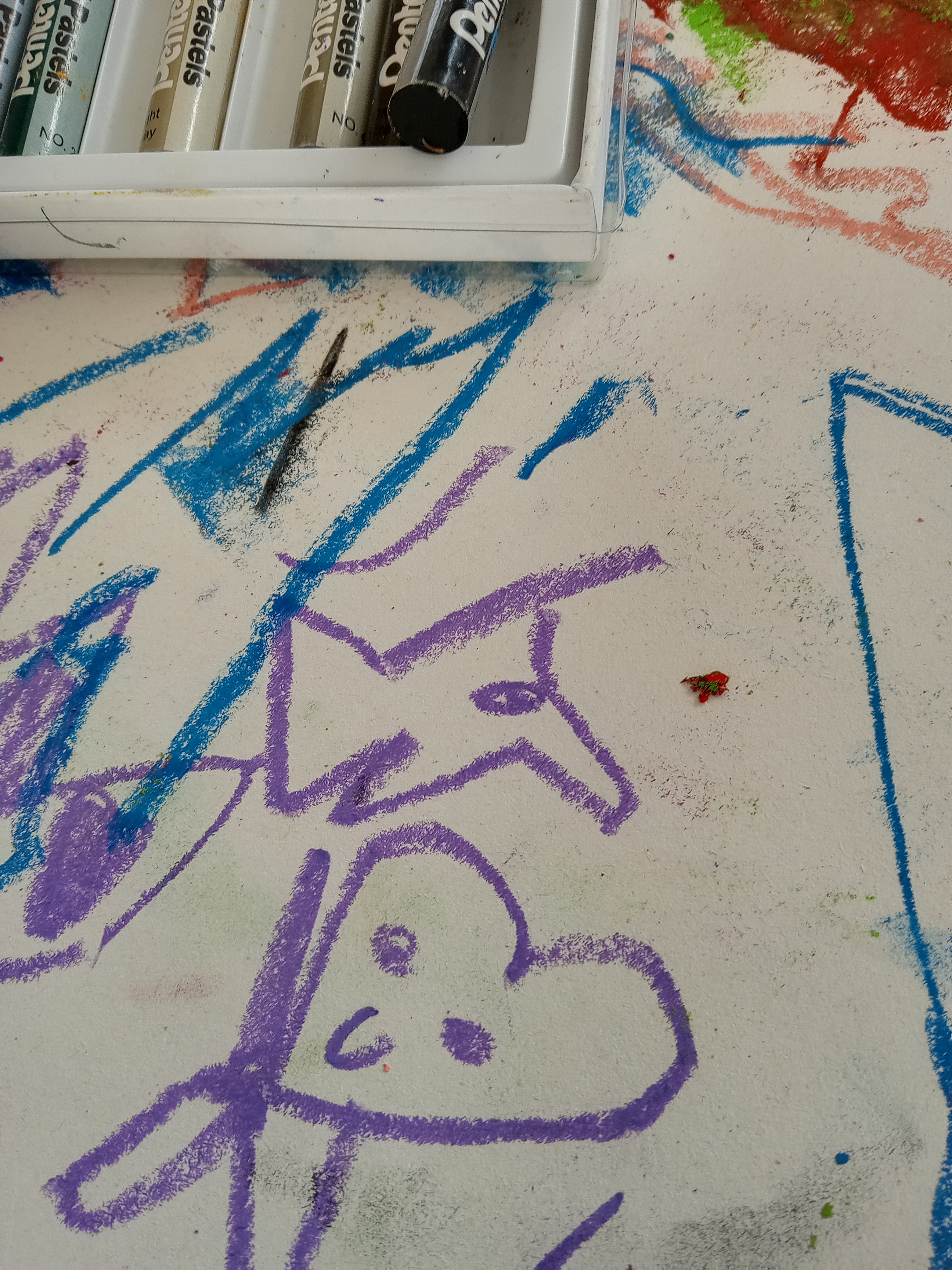
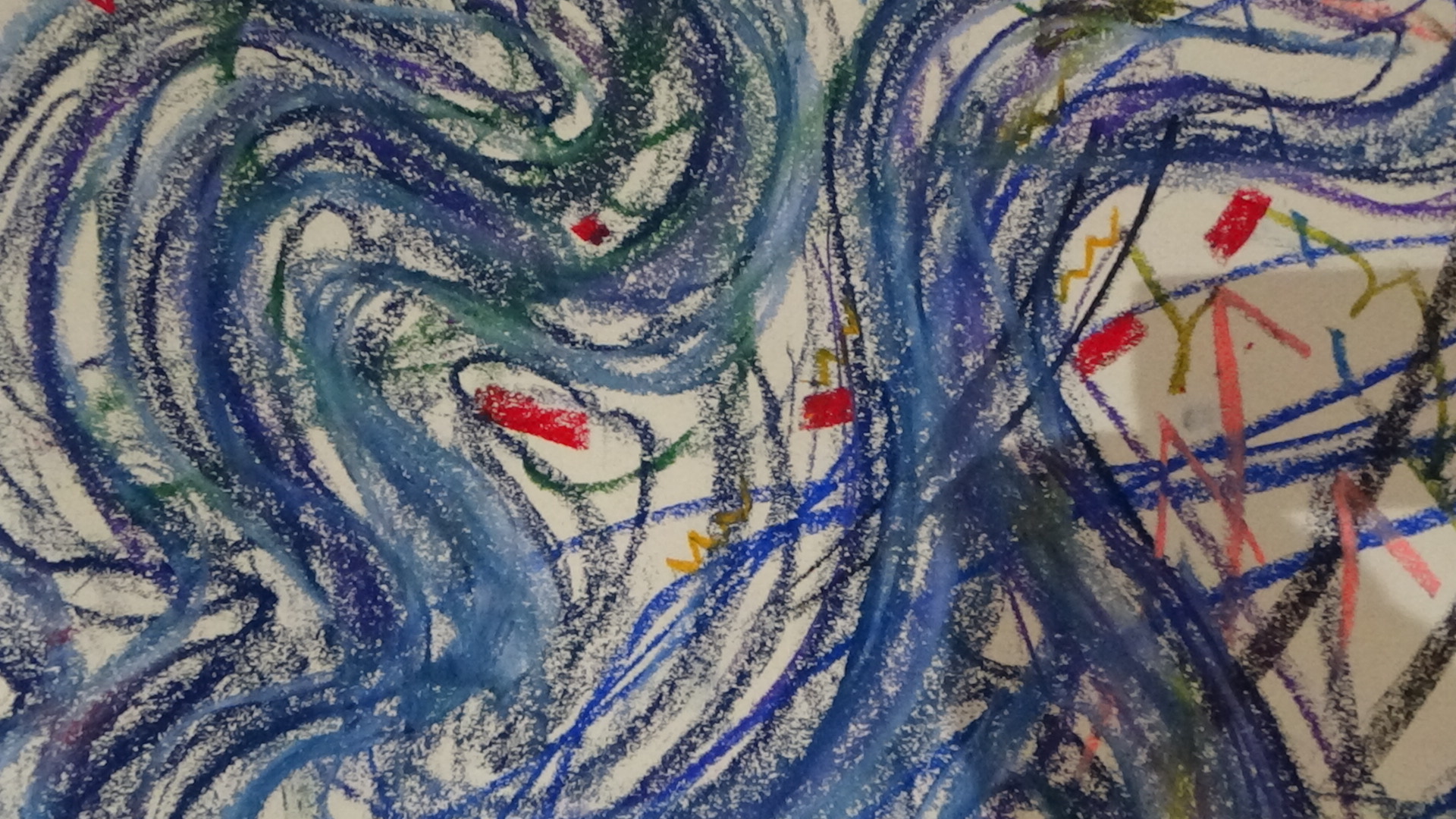
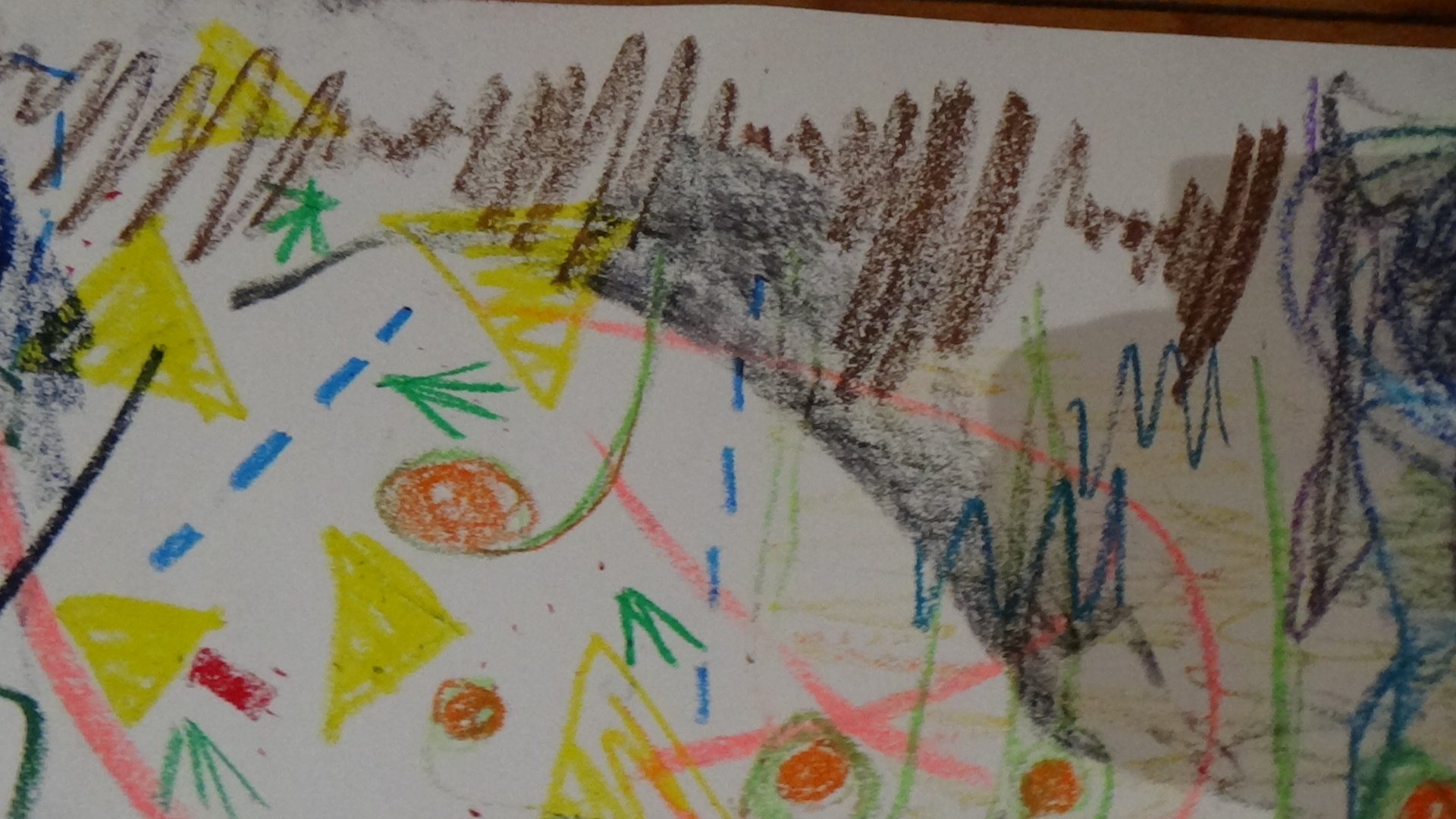
Perhaps even more importantly than creating drawings, these exercises were invitations to slow down: Properly stop, listen, and focus on just one thing at a time. Drawing sound has very meditative qualities, and when we pair this with being outside and drawing outside, those effects definitely amplify. Drawing is a great way to connect to our environment, ourselves and each other – it was amazing in each session, the variety of sounds people would notice, and feed back to the group. It’s another great reminder that we can be in the same place, at the same moment, thinking about the same thing, and have a totally different experience. The variety of noticing is also a great reminder that inspiration is everywhere, when we can slow down enough to find it.
The Sounds
Many thanks to Orla for sharing her thoughts and aims on Drawing to Sound. If you’d like to listen to the sounds that inspired the images above, click on Pete Stollery’s link to our soundmap: bit.ly/artcollectionstirling It’s best viewed using Chrome, Edge, Firefox or Opera browsers and on mobile devices, you’ll be asked to download the Google Earth app to view the map. Click on the pins on the map to hear the sounds in those locations, along with some reflective text from the workshop participants.
Thinking Holistically
To end with, I’d like to share a few thoughts on thinking holistically as we plan our work and reach.
We hope our workshops, as well as providing space for reflection, also inspire people to take practical measures to protect what we have.
For me as a travelling musician, being careful about the journeys I make is particularly important. Throughout this programme of work, I tried to make each journey count:
- Taking Charles Ross’ commission back home to Iceland also included a week of teaching in Egilsstaðir, helping in the musical community as much as I could
- Launching our album in Aberdeen was tied to my work with the RSNO in the city
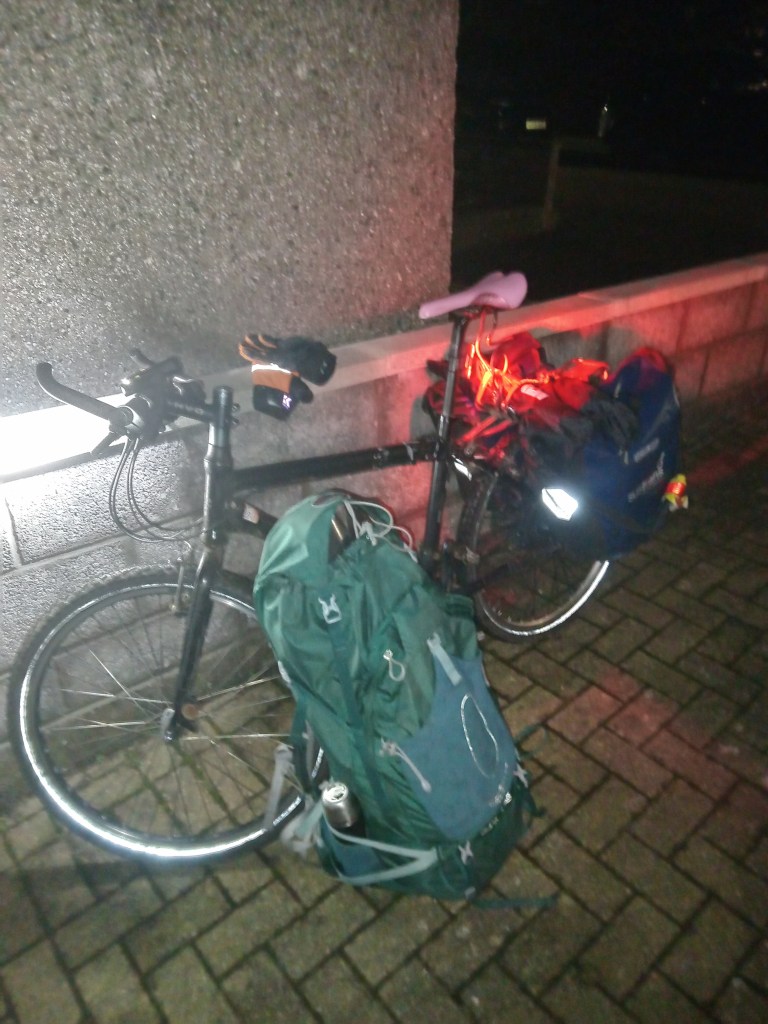
- The bike is always my first choice of transport where possible and in Stirling it managed to carry viola, music stands, workshop materials and merchandise as well as me. I couldn’t have carried all that in any other way, given I don’t have a car.
- of course, carrying the sound equipment is virtually impossible without a car, but by multipurposing our journeys and spending several days in communities we would hope to minimise the impact from this as far as we can.
Art materials are chosen carefully to minimize environmental impact and group work/mark-making libraries are kept to inspire communities in the future. Whilst we did use some paper advertising in shop windows etc. – still a very strong way off attracting people in our smaller, tight-knit communities, we kept this to a minimum and we’re very grateful to the University of Stirling Art Collection, Whats On Stirling and sound in Aberdeen for spreading the word through their networks.
Final thoughts
Many thanks to Orla and also to Pete Stollery for their contributions to our workshops as well as for the stimulating discussions we’ve had on widening this project (also with composer Lisa Robertson from Morvern) – there are certainly many more things we’d love to do with this project and we look forward to sharing them with you as we plan the next stages.
Thanks also to our partners at the University of Stirling Art Collection and Weigh Ahead and the Victoria Hall in Dunblane for supporting and hosting our events.
On A Wing and A Prayer in your area
We’d also love to bring On A Wing and A Prayer to your area.
- What changes have you noticed in your local environment?
- What efforts have the community made to support or wild places – what are you particularly proud of?
- What are the distinctive sights and sounds of where you live?
- Which artists/musicians are based where you live?
We’d love to visit you in your community so if you’re interested in hosting one of our performances and/or a day of workshops, please do get in touch here.
Our workshops were supported by The Hope Scott Foundation.

…
Discover more from nordicviola
Subscribe to get the latest posts sent to your email.

