

Last week I left you at the point where I was finding the sounds I need for the viola part of polar soundings, getting used to using an aural part in my ear and generally getting to know Karen Power’s polar soundings more deeply.
This week I’ve had the luxury of working exclusively with polar soundings so I’ve been able to immerse myself fully in this stunning score.
What is polar soundings?
First of all, a quick recap if you haven’t read my first blog on this wonderful new piece. Polar soundings is a piece by Karen Power for human (viola) and nature, specifically from the Antarctic and Arctic poles. It exists as a sound installation that includes 40 min pop-up performances of the piece with viola and I’ll be premiering it at soundfestival in Aberdeen on 24th/25th October.
Working in more detail
Last week I’d reached a point where I felt I had a good overview of the score, so my first task this week was finding the detail in my part and honing the sounds I want from the viola. I’ve found the ice sounds the trickiest, so I’ve been spending a lot of time with those. One of the things I have to be aware of when I’m improvising is that I have a tendency to do too much. If I do this with the aural part in my ear, it can all start to feel very, very busy.
My job here isn’t to recreate every single sound in the aural part, but to distil its essence: to interpret it. As Karen said, I’m not ice, I’m a human playing a viola, which has its own distinct palette of sound. Some of these sounds mimic and blend with the ice, some are different but draw out aspects of the ice sound.
From ice to running water

I’ve also been listening and thinking about how the three ice sections in particular link and reference each other. Memory of Hearing is a very important concept in Karen’s work: remembering sounds and gestures that have gone before and for that memory to inform your approach in subsequent sections. The piece begins and ends with water – for me it’s one of the most striking and shocking elements in the score – and even as I start the driest, most icy section in the piece, I’m thinking ahead to how this fluidity increases across the three ice sections.
Musical elements
Whilst field recordings form the basis of this music and much of what I’m doing is timbral and textural, that doesn’t mean that other musical elements are absent. One of the things I’ve really enjoyed working on this week is drawing out harmonics but also actual harmonies that are present in the sounds.
Scordatura – altered tuning
I’m working with altered tuning (scordatura) on the viola. For other violists out there, this is, from the top down, A, D flat, G and low A flat. If you’re not a string player, you might not realise just how attuned we are to the overtones (harmonics) of our instruments. “Detuning” is disorientating. Even with perfect pitch, you feel like your frame of reference has moved. I don’t see that as a negative, though. A whole new harmonic world opens up to you with different colours. Some of the harmonics feel very unstable, perhaps because they’re not being reinforced across the instrument in the same way. I love that fragility, though. It’s something to exploit, not to be afraid of.
The human element

Whilst this week began with detail as I figured out the sounds I want to play, I’ve been thinking more and more about where I stand as a human being in the piece. There is the literal question of where I am: subservient to the environment, equal to it and in conversation with it or dominating it. Sometimes I’m in it, sometimes I’m an observer.
The first thing I play in the piece enters on the imposing sound of a glacier calving. My sound starts with extreme bow pressure, resulting in unstable pedal tones and it reflects the pressure of humans on the polar environment.
You’ll also hear the sound of a zodiac inflatable boat moving at speed. Its presence in the score is striking.
Sonic brilliance, fragility and wildness
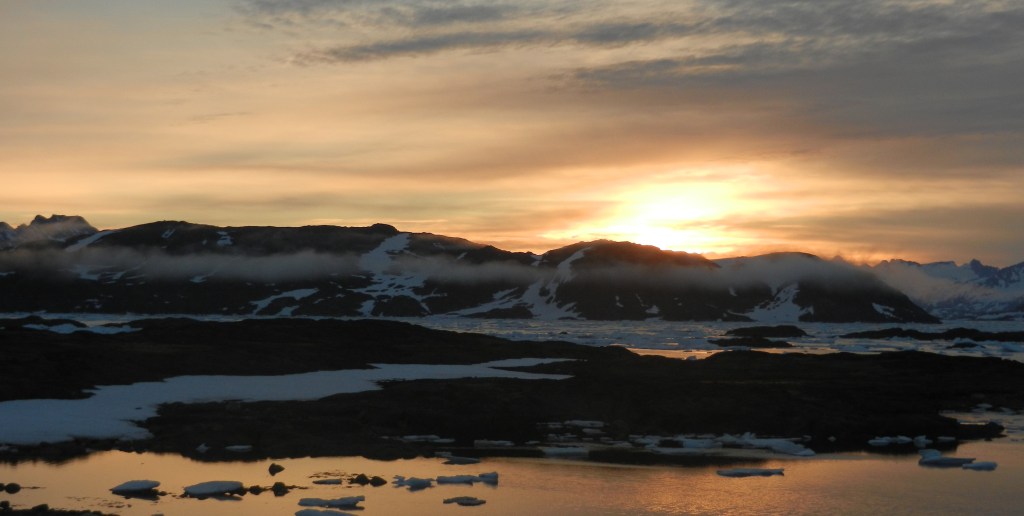
Above all, however, one of my principle roles is to highlight the beauty, fragility and sonic brilliance that is held in these polar environments. I feel this as a great responsibility as polar soundings is ultimately a climate artwork which, in Karen’s words:
“aims to increase empathy and connection with the climate emergency by creating space for these two [polar] deserts to sound in their own language and be appreciated in all of their uniqueness, beauty, fragility and wildness.”
Performance at soundfestival in Aberdeen
If you possibly can, do come to Aberdeen and hear this important new piece. Come prepared to listen, to engage and to seek out connections in the music. If you can, listen to the work as an installation, with the viola and even, if you’re in Aberdeen on both 24th/25th October, come and hear it twice. The Memory of Hearing concept also applies over multiple performances and I feel sure that my interpretation will change over the 6 performances of the piece.
Free tickets are here: https://sound-scotland.co.uk/event/karen-power-polar-soundings
A note on the photographs here:
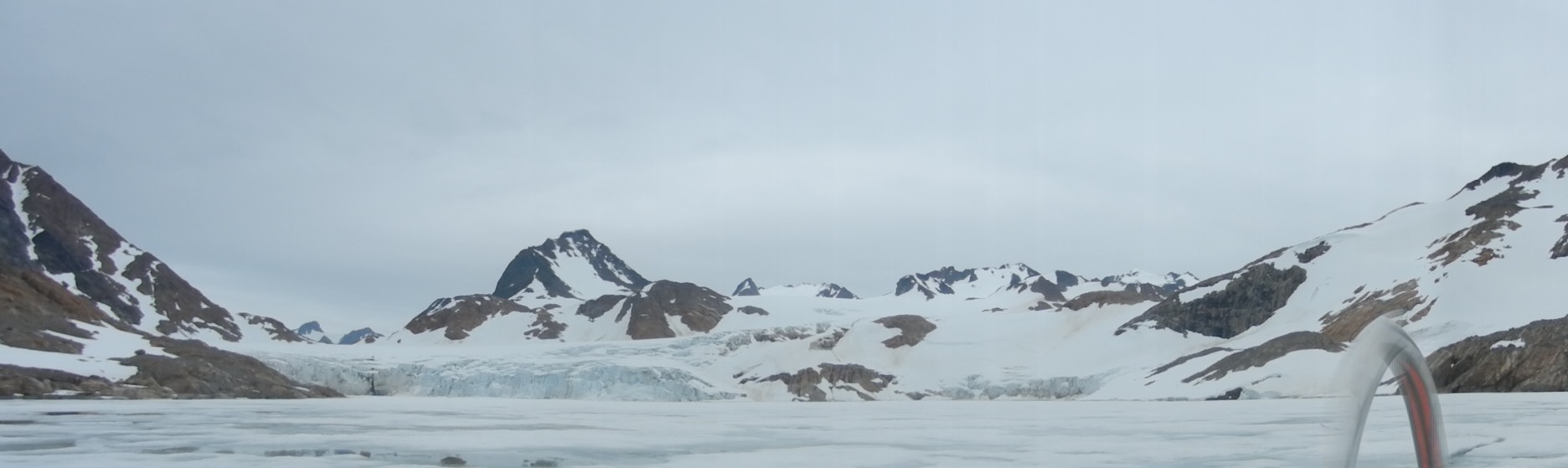
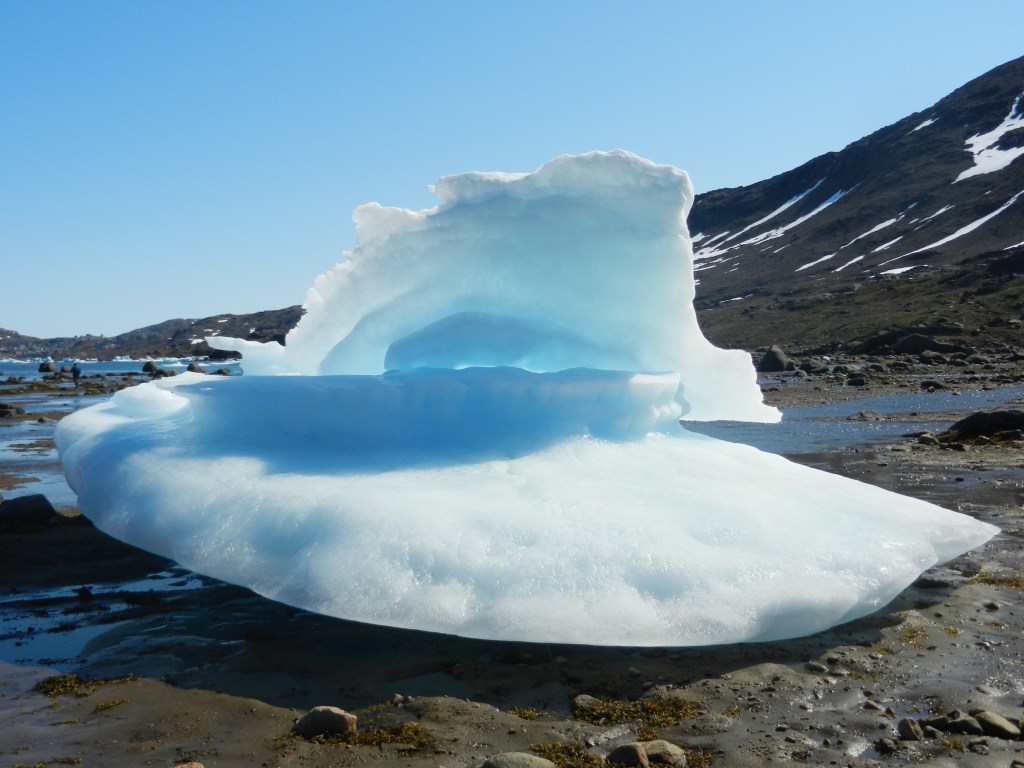
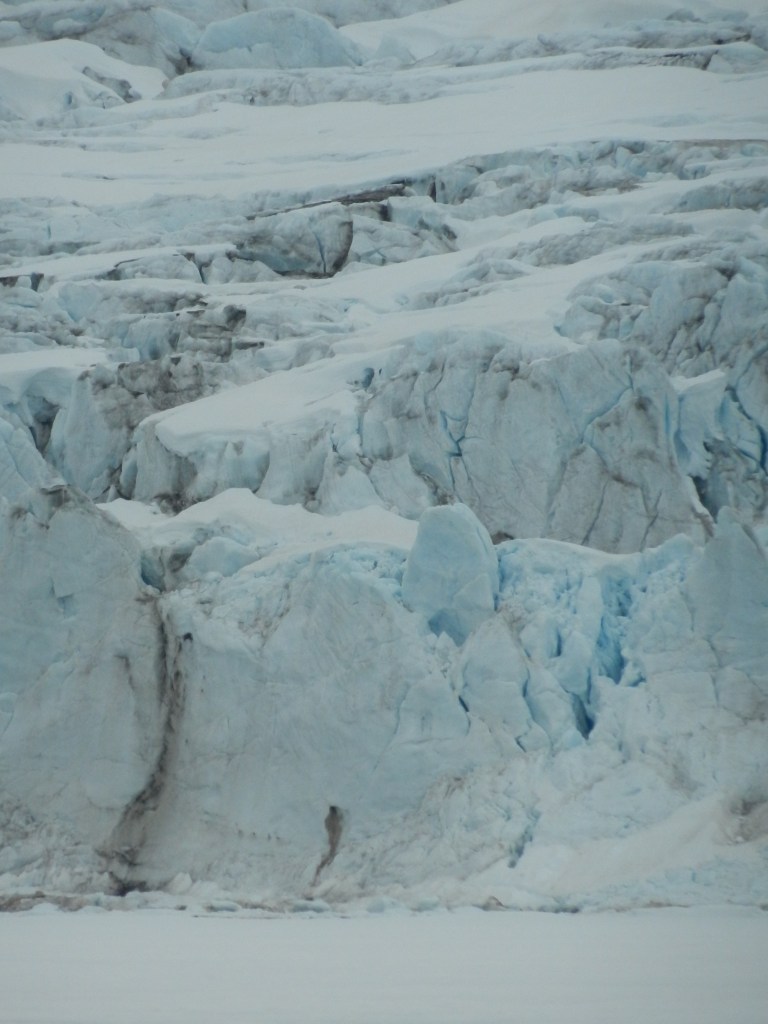
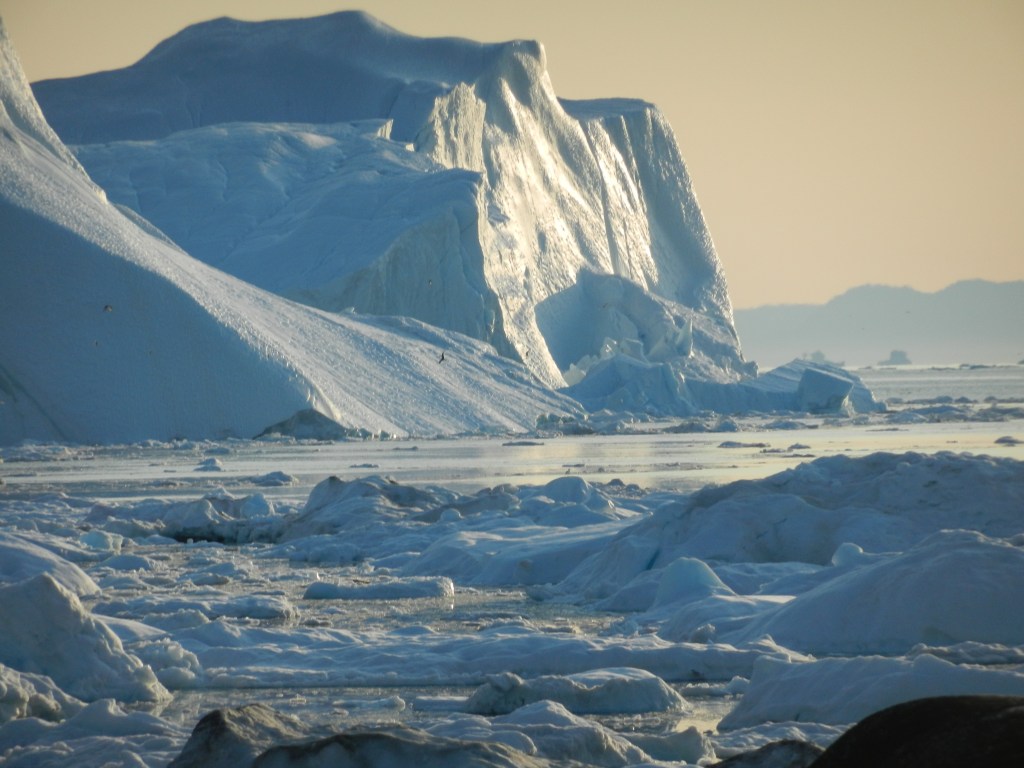
Note that the photographs on this page are my own from Greenland and not from the Svalbard and Antarctic regions that feature in polar soundings
They do, however, reflect my own personal experience of the ice which informs my performance of the piece. I have experienced Greenland in summer and winter from the land (living amongst the community), the water and, inevitably (if somewhat uncomfortably) from the air.
I bring with me the roar of an icy wind, the sound of a humpback whale blowing, the sound of an iceberg calving, the ice dripping and the experience of being stuck in pack ice. I also carry with me the many conversations I’ve had with Inuit and incomers alike on life in Greenland as well as my own experience.
Discover more from nordicviola
Subscribe to get the latest posts sent to your email.


Am really looking forward to it! A really interesting project ….
Dr HL Harrison
lesleyharrisonpoetry.wordpress.comhttp://lesleyharrisonpoetry.wordpress.com/
northseapoets.comhttps://www.northseapoets.com/ [cid:b655719a-d07b-4ee8-9b57-f0211b173eab] lesleyharrison123
KITCHEN MUSIC published by New Directionshttps://www.ndbooks.com/genre/poetry/ NY and Carcanethttps://www.carcanet.co.uk/cgi-bin/indexer?imprint=1 UK, May 2023.
DISAPPEARANCE, published by Shearsman, 2020. Shortlisted for the 2021 Michael Murphy Memorial Poetry Prize
LikeLike